




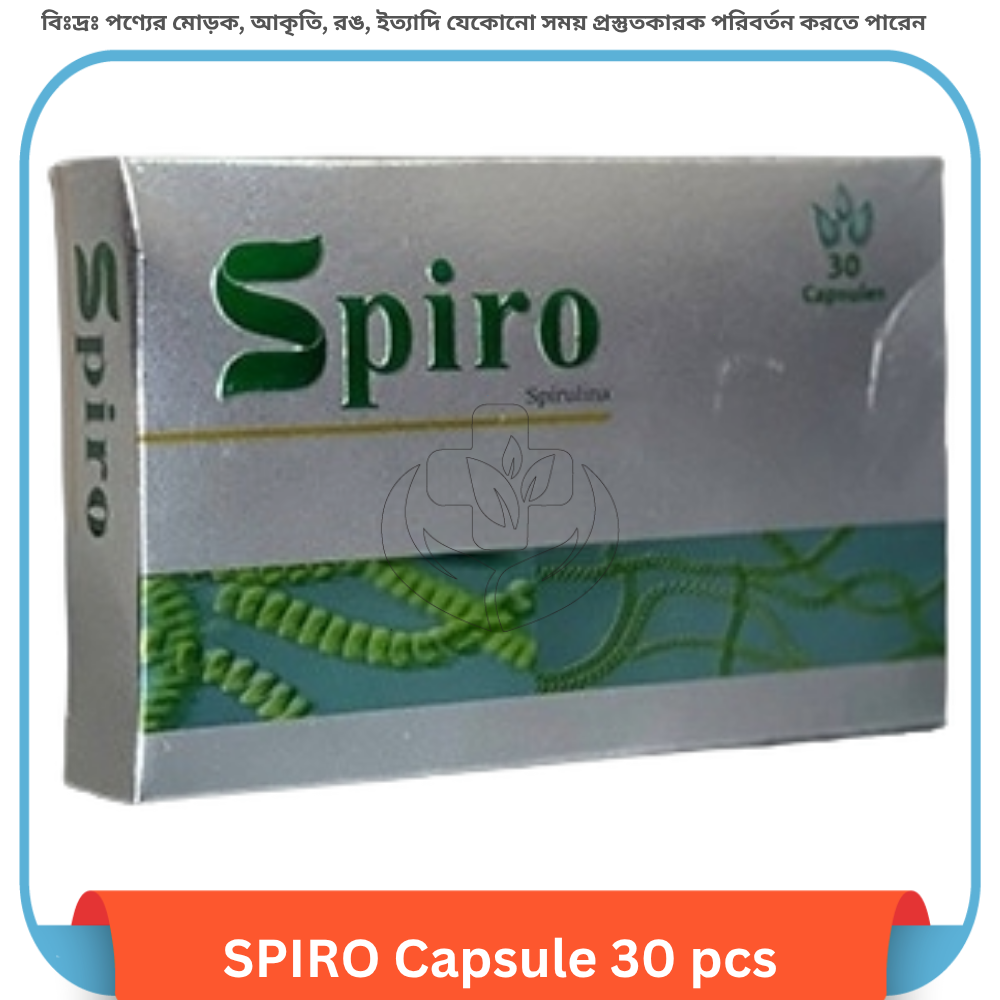
SPIRO Capsule 30 pcs
+88 01336 242 803
-

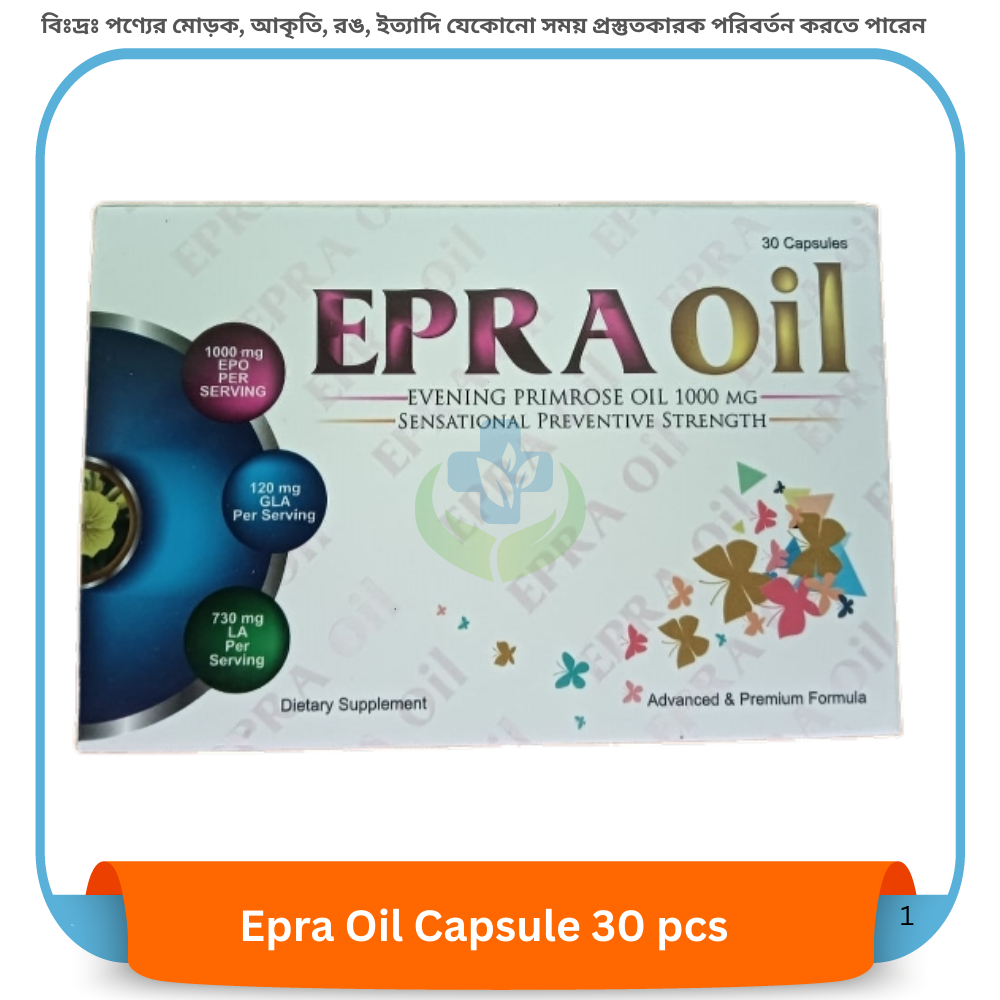
Epra Oil Capsule 30 pcs
৳930.60 -
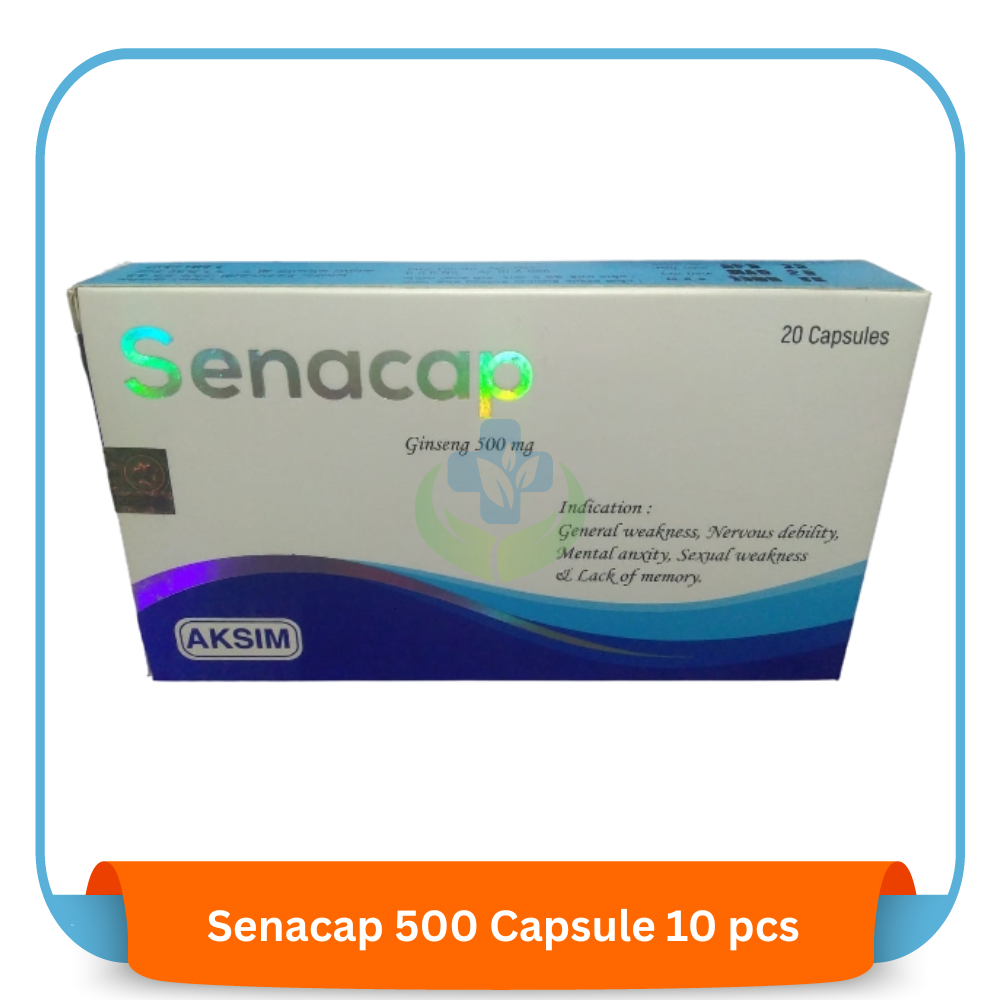
Senacap 500 Capsule 10 pcs
৳617.50 -
Xiovit D3 Pediatric Drops 30 ml
৳502.90 -
Reetor HC Cream 15 gm
৳841.30 -
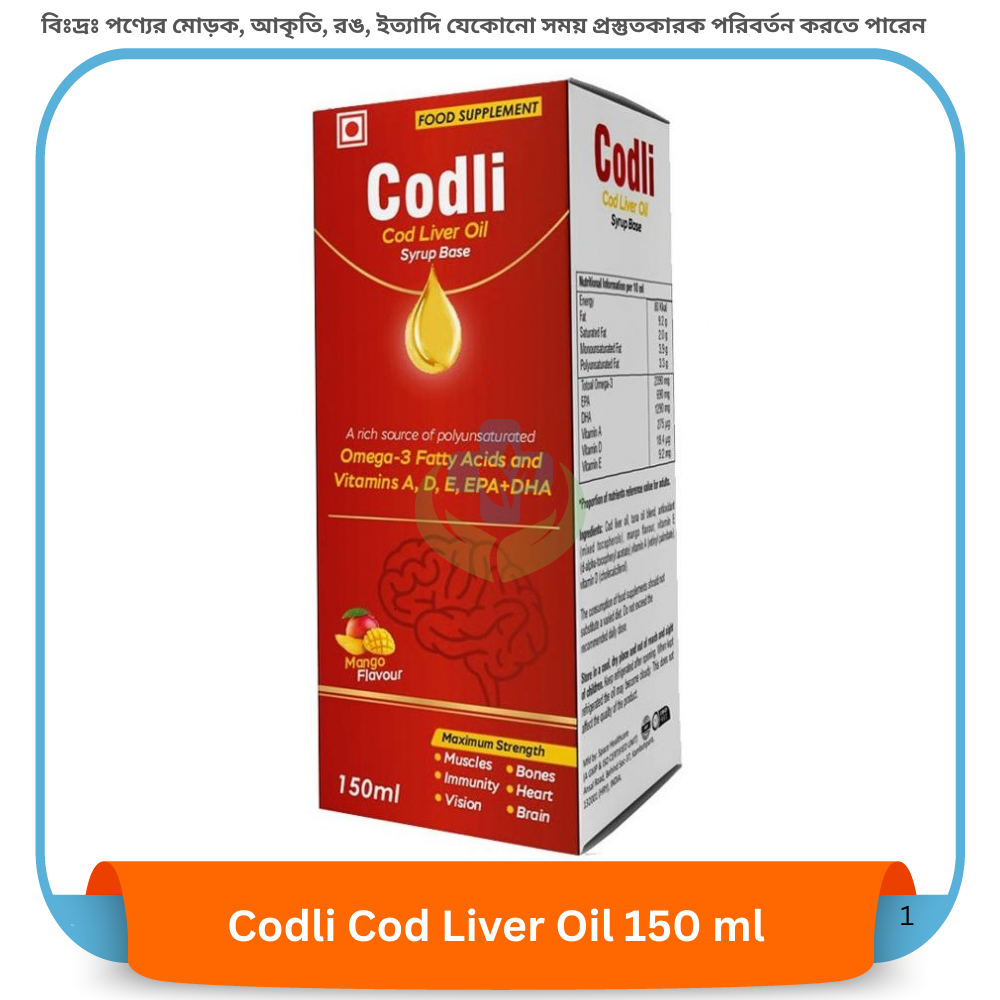
Codli Cod Liver Oil 150 ml
৳1,567.50 -
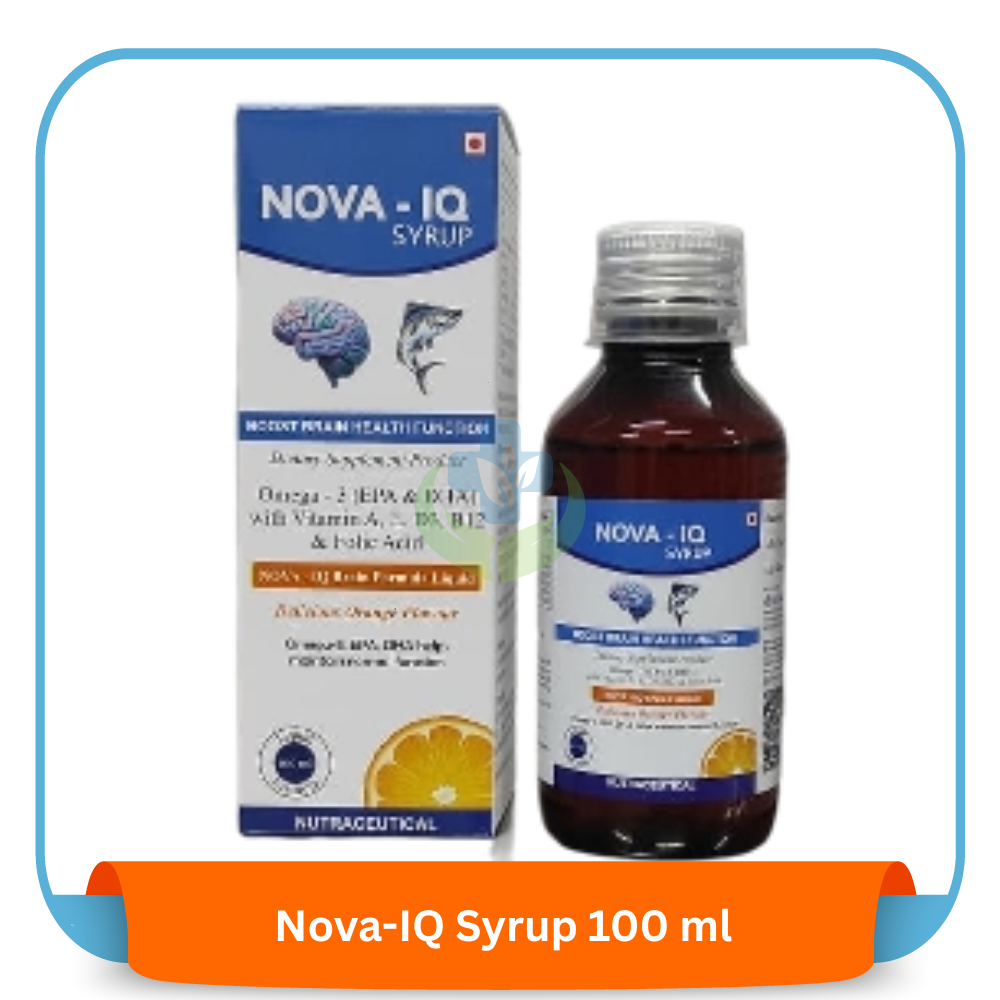
Nova-IQ Syrup 100 ml
৳714.40
“SPIRO Capsule” (Spirulina
capsule) is dietary supplements made from blue-green algae, prized for their
high concentration of plant protein, iron, and antioxidants. They are
primarily used to boost
immunity, support cardiovascular health, and manage inflammation.
Users should always stick to the manufacturer's label or a doctor's
recommendation.
Benefits
of SPIRO Capsule
Ø
Rich
in Nutrients: Contains essential nutrients, including proteins, B-vitamins, iron, and
antioxidants like phycocyanin.
Ø
Immunity
& Inflammation: Its antioxidant properties help fight free radicals and reduce
inflammation.
Ø
Heart
Health: May help manage LDL (bad) cholesterol levels, reduce triglycerides, and
support healthy blood pressure.
Ø
Blood
Sugar: Studies indicate it can help support healthy blood sugar levels.
Ø Allergy
Relief: May reduce symptoms of allergic rhinitis, such as nasal congestion,
sneezing, and itching.
Indications
of SPIRO Capsule
SPIRO Capsule
is used for:
Ø
Supporting nutritional intake
Ø
Providing a source of iron
Ø
Assisting in weight management and appetite support
Ø Providing a plant-based protein source
How
to Use & Dosage of SPIRO Capsule
Ø
Usage: Generally taken with a glass of water. Many users also take them before
meals for appetite management.
Ø Dosage: Dosage should follow the specific brand instructions, as
recommendations can vary. Always check the product's bottle for precise
guidelines.
Side
Effects & Precautions of SPIRO Capsule
Ø Common side effects: Mild digestive discomforts like gas, bloating, diarrhea, or nausea are
possible, especially when starting a new regimen.
Ø Severe
reactions: While rare, severe allergic reactions (anaphylaxis) can occur. People
with seafood or nut allergies should be cautious.
Ø Contamination
risks: Poor-quality spirulina can be contaminated with toxins (like
microcystins) or heavy metals. Always purchase from reputable health and
supplement brands.
Ø Autoimmune
diseases: Spirulina stimulates the immune system, which may worsen symptoms of
autoimmune conditions (e.g., multiple sclerosis, lupus, rheumatoid arthritis).
Ø Medical
conditions: People with phenylketonuria (PKU) should avoid spirulina as it contains
the amino acid phenylalanine. Individuals with thyroid disorders, bleeding
disorders, or those taking blood-thinning medications should consult a doctor
first.
Related products
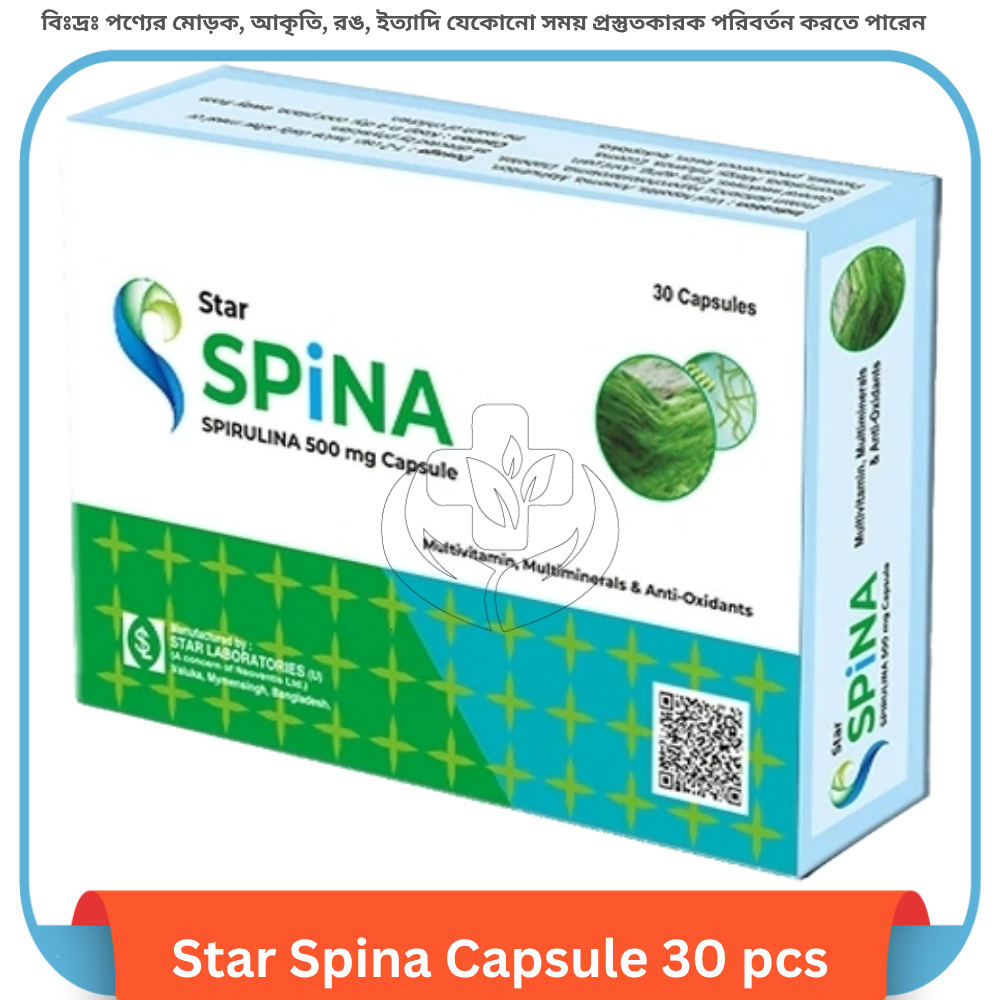
Star Spina Capsule 30 pcs
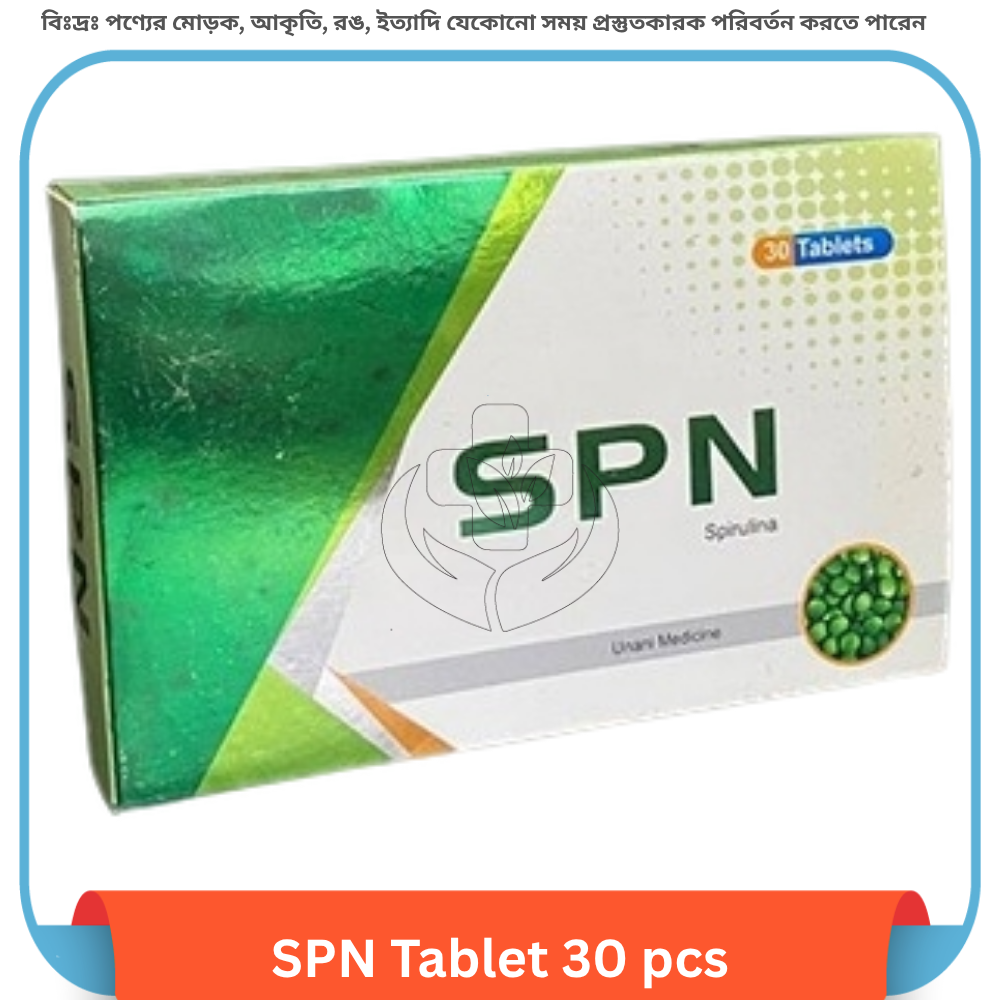
SPN Tablet 30 pcs
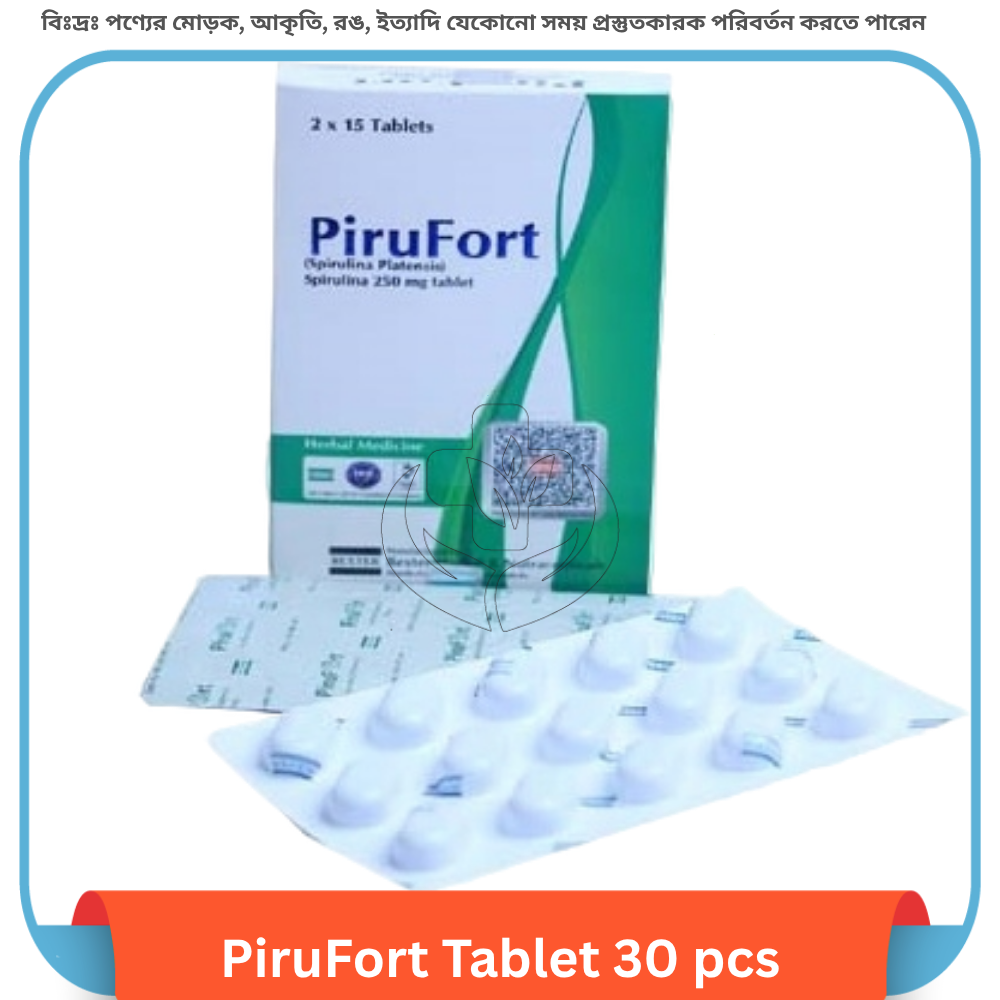
PiruFort Tablet 30 pcs
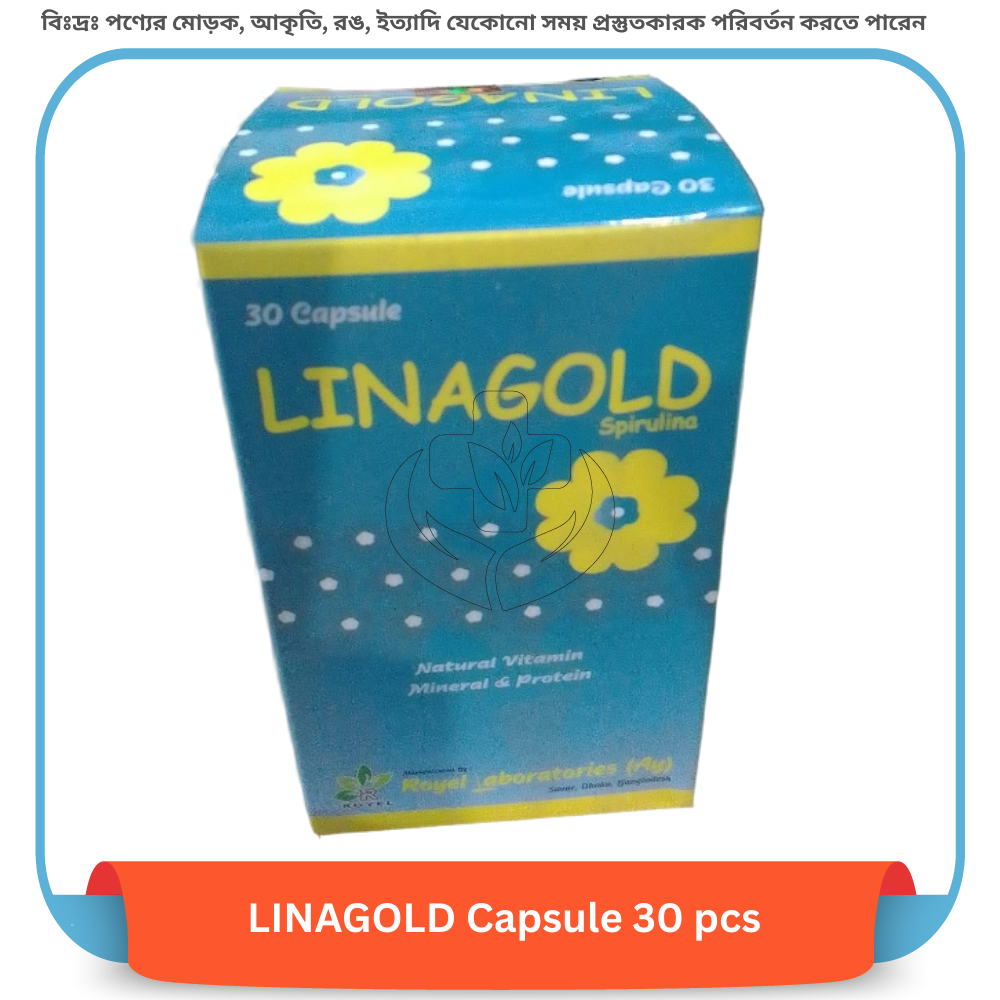
LINAGOLD Capsule 30 pcs
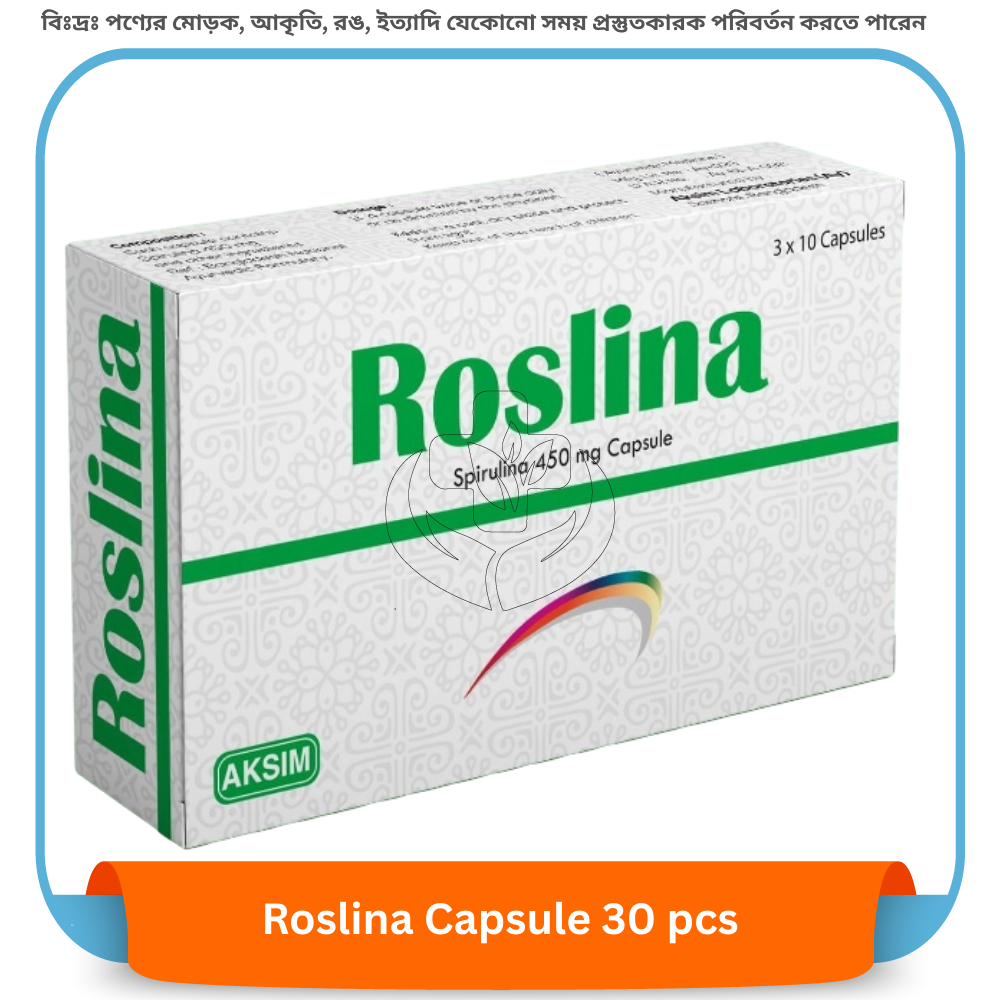
Roslina Capsule 30 pcs
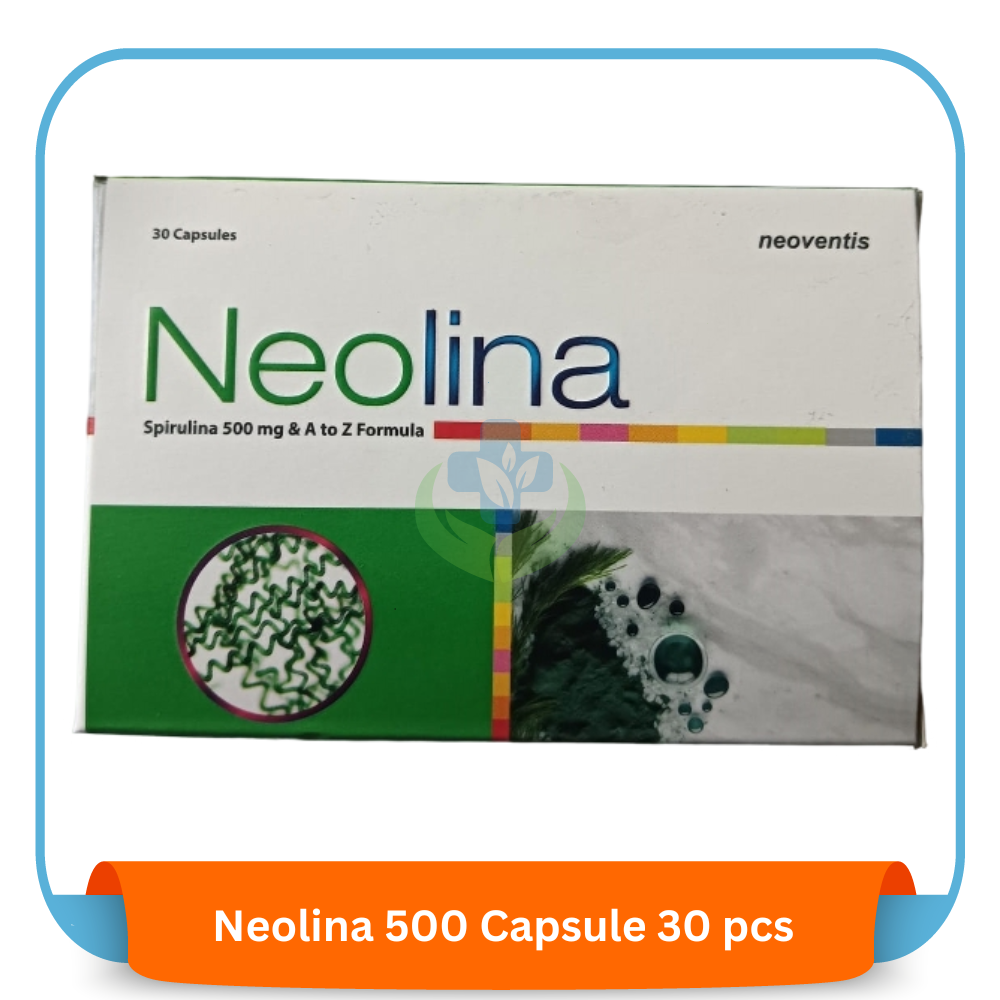
Neolina 500 Capsule 30 pcs


Contact Info
- Address: DOHS, Mirpur, Dhaka
- Phone: 01336 242 804
- Email: order@careonbd.com