






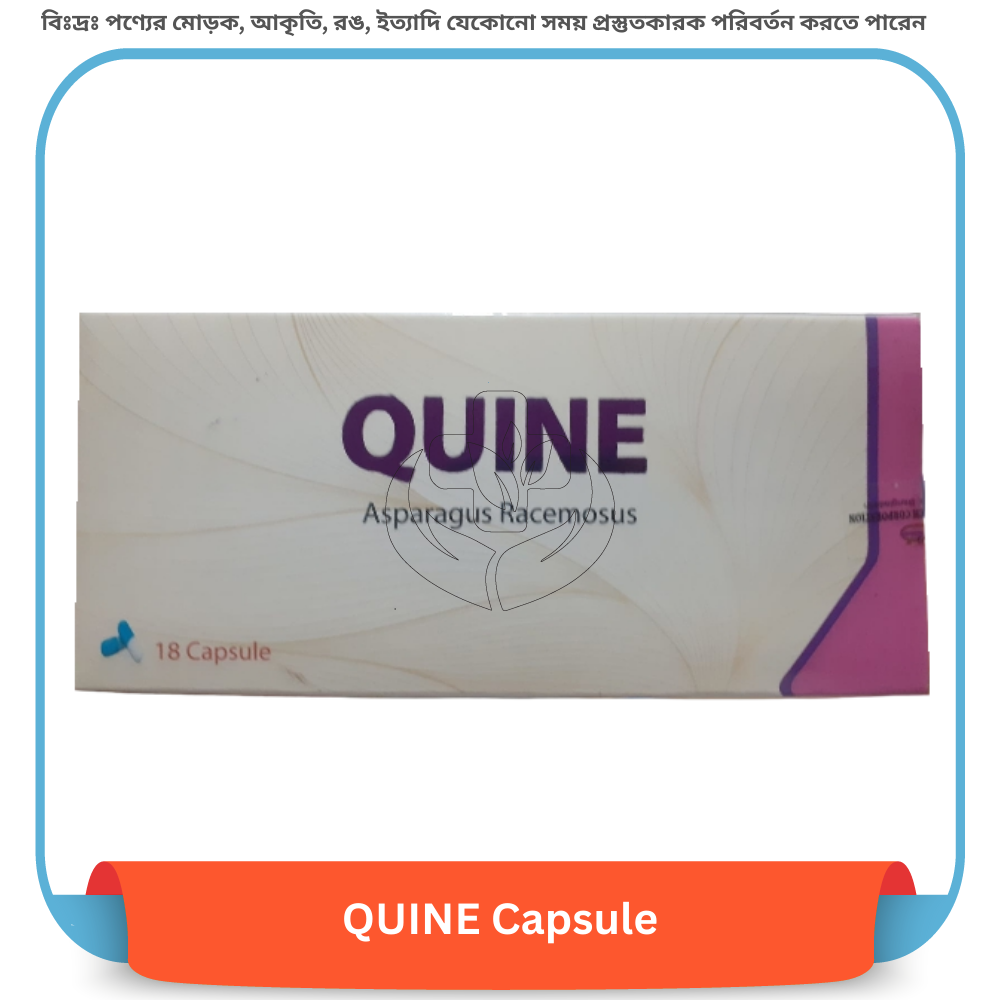
QUINE Capsule 18 pcs
+88 01568-208768
-

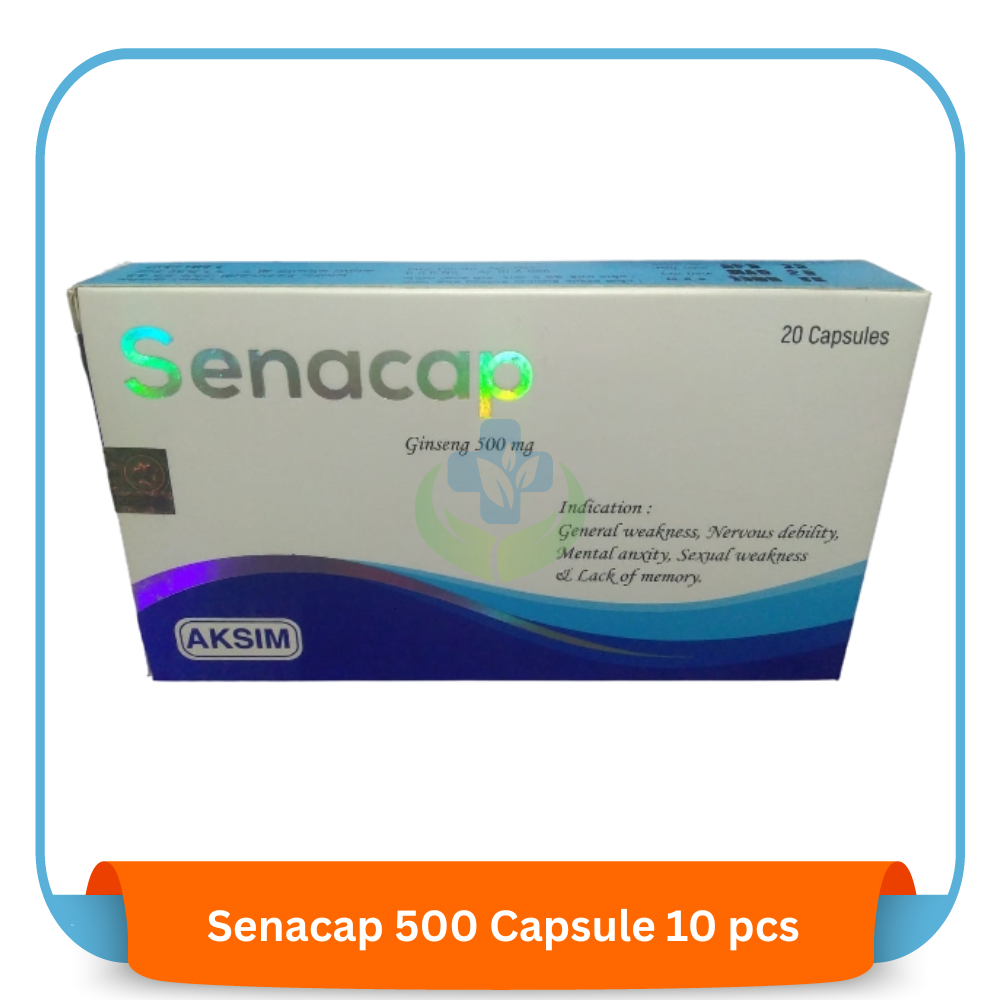
Senacap 500 Capsule 10 pcs
৳617.50 -
Xiovit D3 Pediatric Drops 30 ml
৳502.90 -
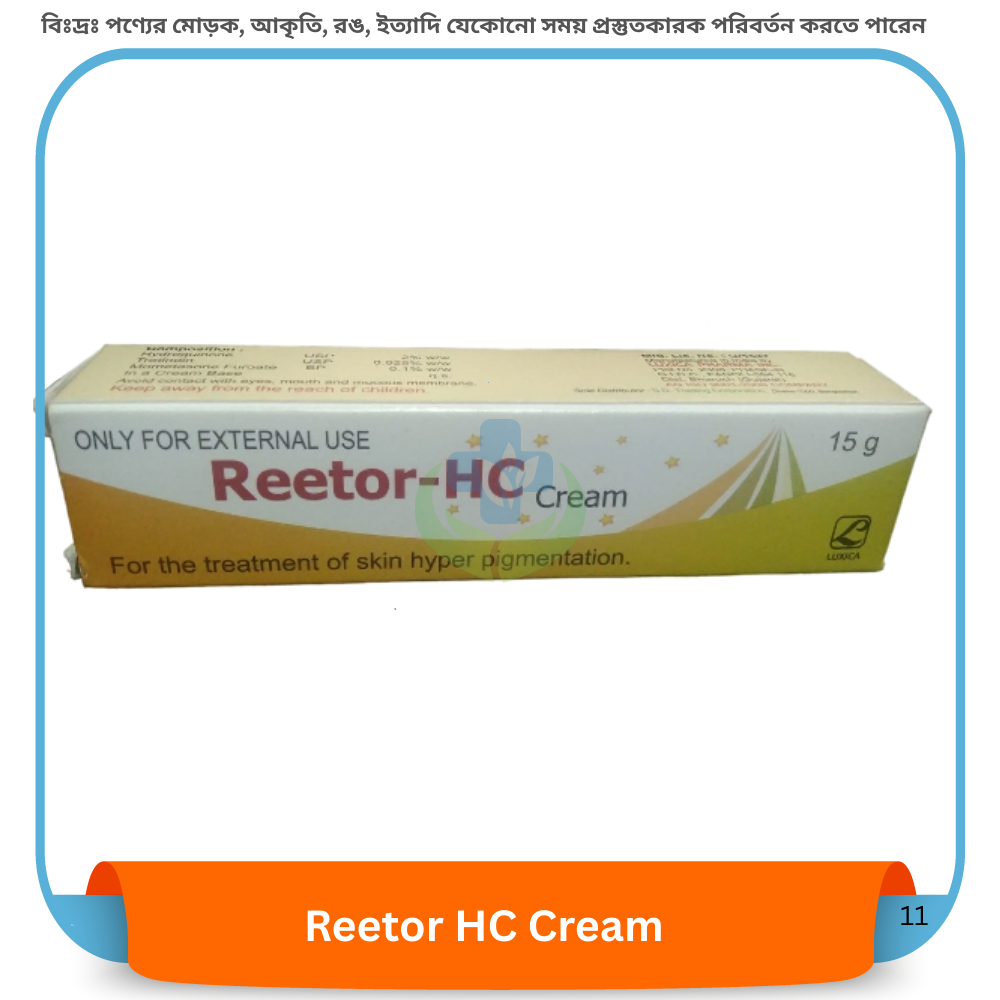
Reetor HC Cream 15 gm
৳841.30 -
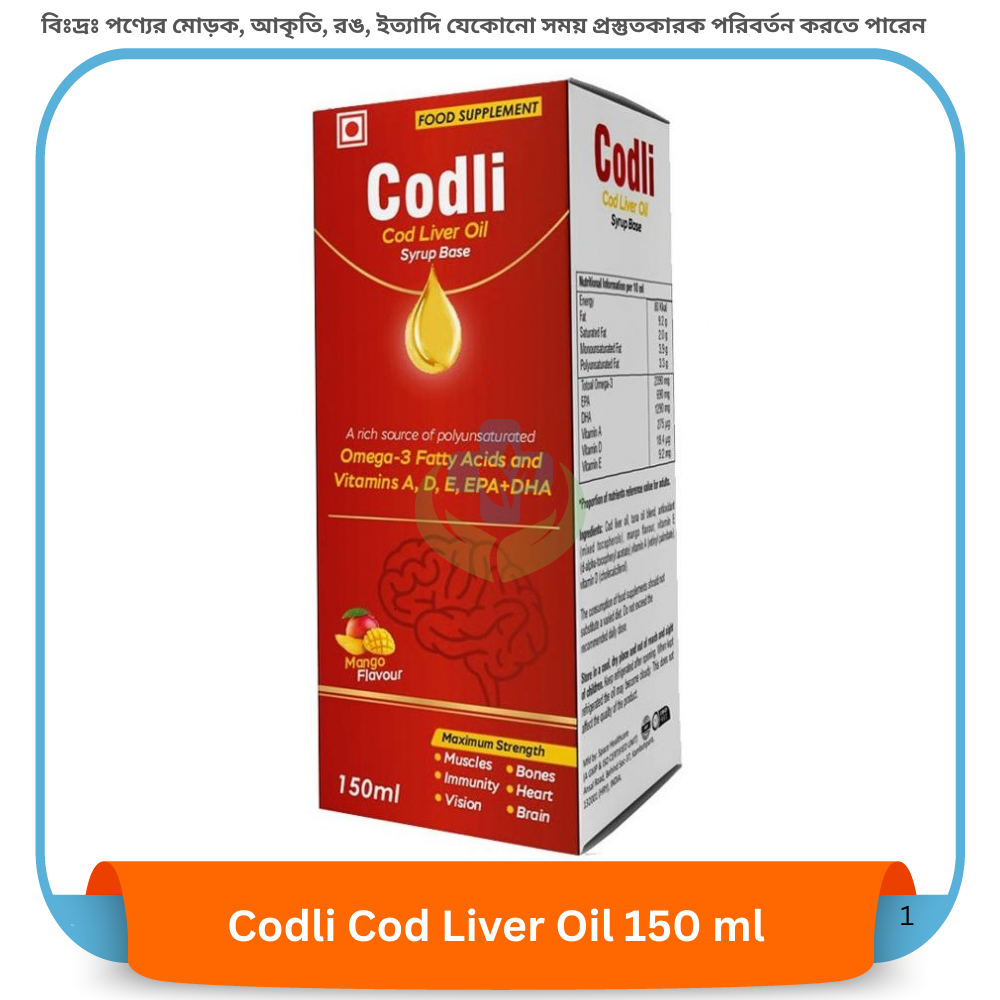
Codli Cod Liver Oil 150 ml
৳1,567.50 -
Nova-IQ Syrup 100 ml
৳714.40 -
INTEL-IQ Syrup 60 ml
৳700.00
QUINE Capsule “Asparagus
racemosus”, commonly known as Shatavari, is a prominent Ayurvedic
adaptogenic herb primarily used in capsule form to support hormonal
balance, reproductive health, and stress management.
Often referred to as the "Queen of Herbs," it is a popular
rejuvenating tonic for both women and men.
Key Benefits of QUINE Capsule
Ø
Female Reproductive Health: Shatavari
is widely used to regulate menstrual cycles, ease PMS symptoms like cramps and
bloating, and support fertility by nourishing reproductive organs.
Ø
Lactation Support: It acts
as a galactagogue, helping to increase breast milk production in
nursing mothers by balancing hormones like prolactin.
Ø
Menopause Relief: The herb
contains phytoestrogens that help manage menopausal symptoms
such as hot flashes, night sweats, and mood swings.
Ø
Male Health: It is used to support healthy
testosterone levels, improve sperm count and motility, and enhance overall
vitality and libido.
Ø
Digestive & Immune Support: Research
suggests it has antioxidant, anti-inflammatory, and anti-ulcer properties that
protect the stomach lining and boost the immune system.
Recommended QUINE Capsule
Based on reputable sources, the
following capsule brands offer high-potency extracts:
Ø
Himalaya Women's
Wellness Asparagus (Shatavari) 250mg Veg Capsules
Ø
Morsan Healthcare
Shatavari 500mg Capsules
Ø
Herbsforever Shatavari
Extra Strength (8:1) Capsules
Ø
Satya Naturals
Shatavari Forte 500mg Capsules
Dosage and Safety of QUINE Capsule
A typical dosage for Shatavari
capsules is 500 mg to 1,000 mg daily, usually divided into two
doses (morning and evening) after meals.
Farmaciasdirect.eu +2
Ø
Interactions: It may interact with Lithium and Diuretics (water
pills).
Ø
Precautions: Avoid use if you have an allergy to
asparagus, onions, or leeks. Individuals with hormone-sensitive conditions
(e.g., certain cancers) should consult a doctor due to its phytoestrogen
content.
Ø Side Effects: Rare side effects include mild digestive upset, skin rashes, or increased heart rate.
Related products
Erekton 500 Capsule 10 pcs


Contact Info
- Address: DOHS, Mirpur, Dhaka
- Phone: 01336 242 804
- Email: order@careonbd.com