







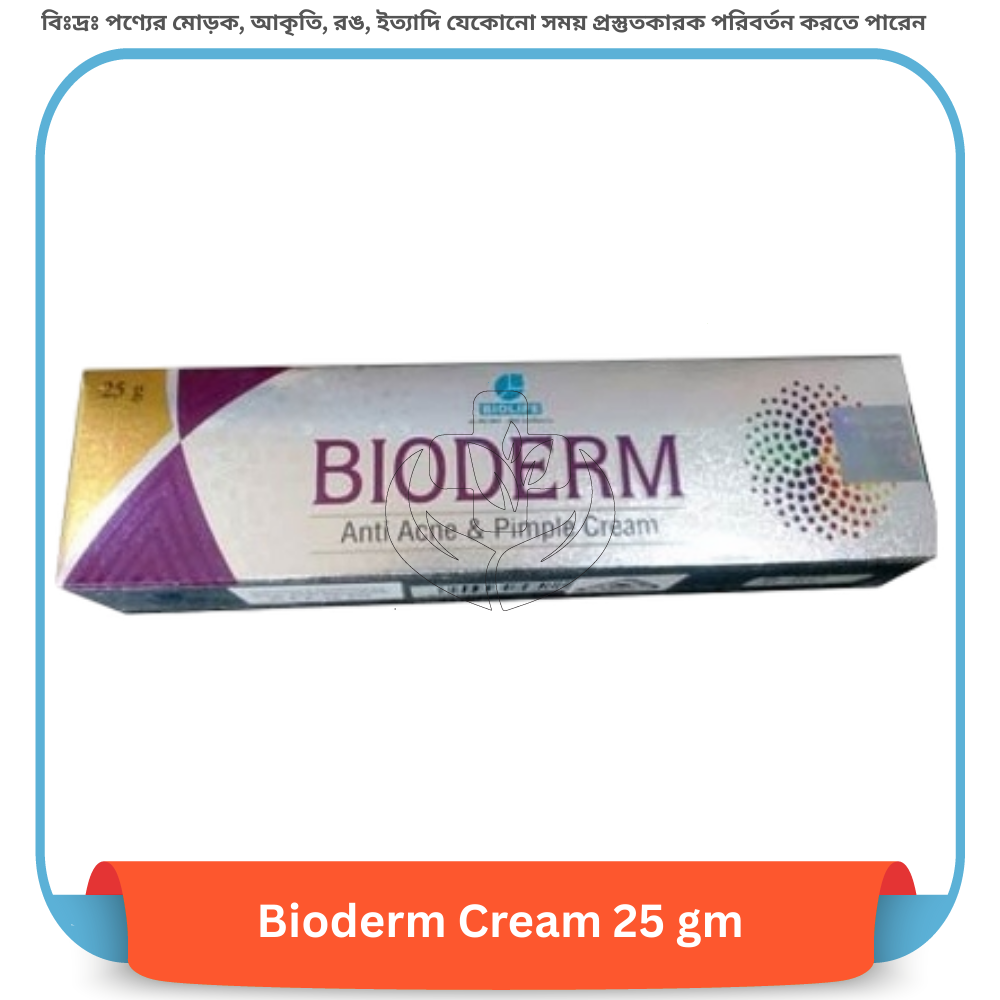
Bioderm Cream 25 gm
+88 01568-208768
-

Senacap 500 Capsule 10 pcs
৳617.50 -
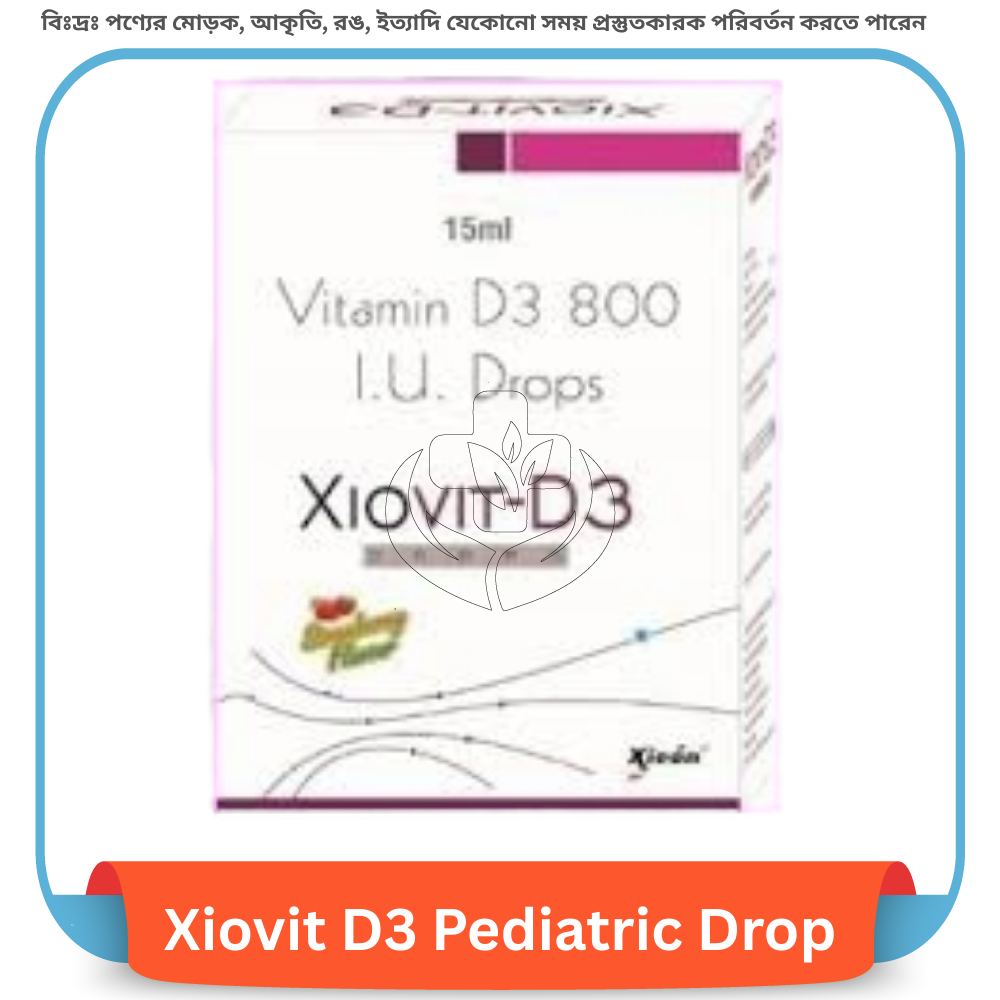
Xiovit D3 Pediatric Drops 30 ml
৳502.90 -
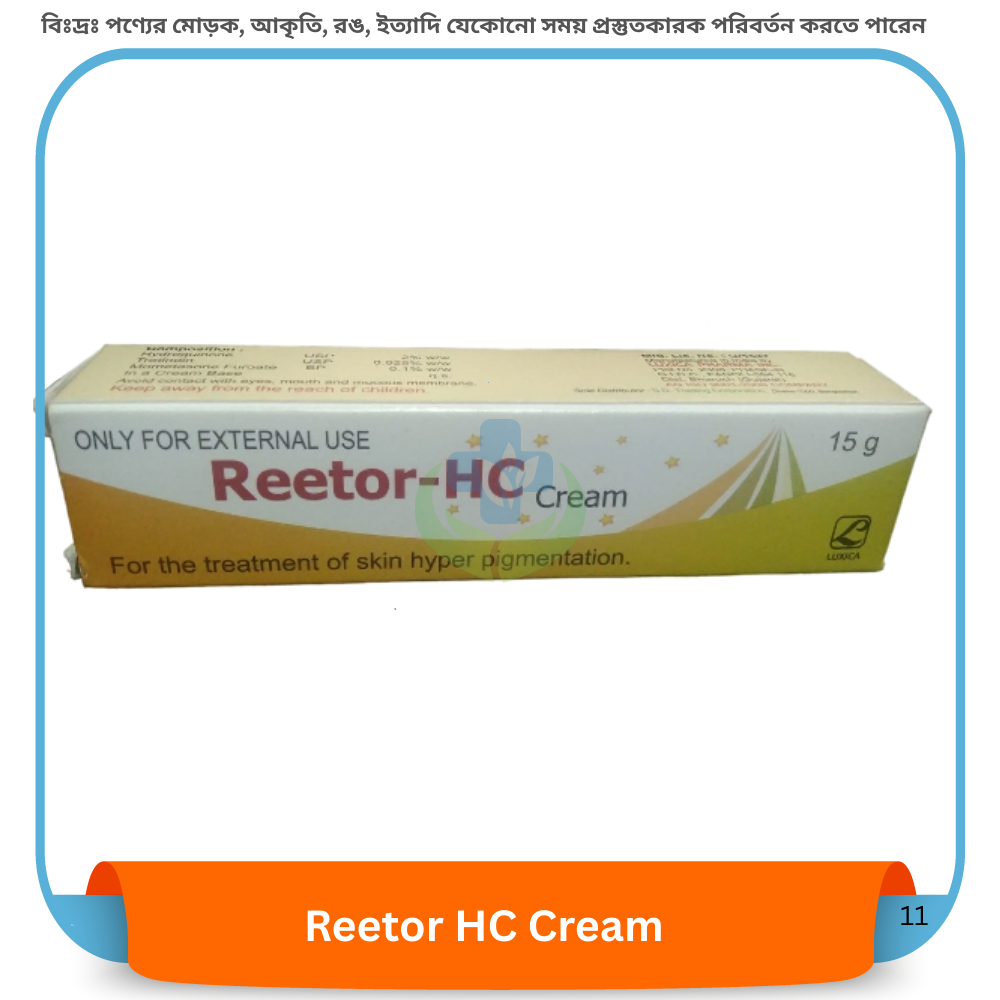
Reetor HC Cream 15 gm
৳841.30 -
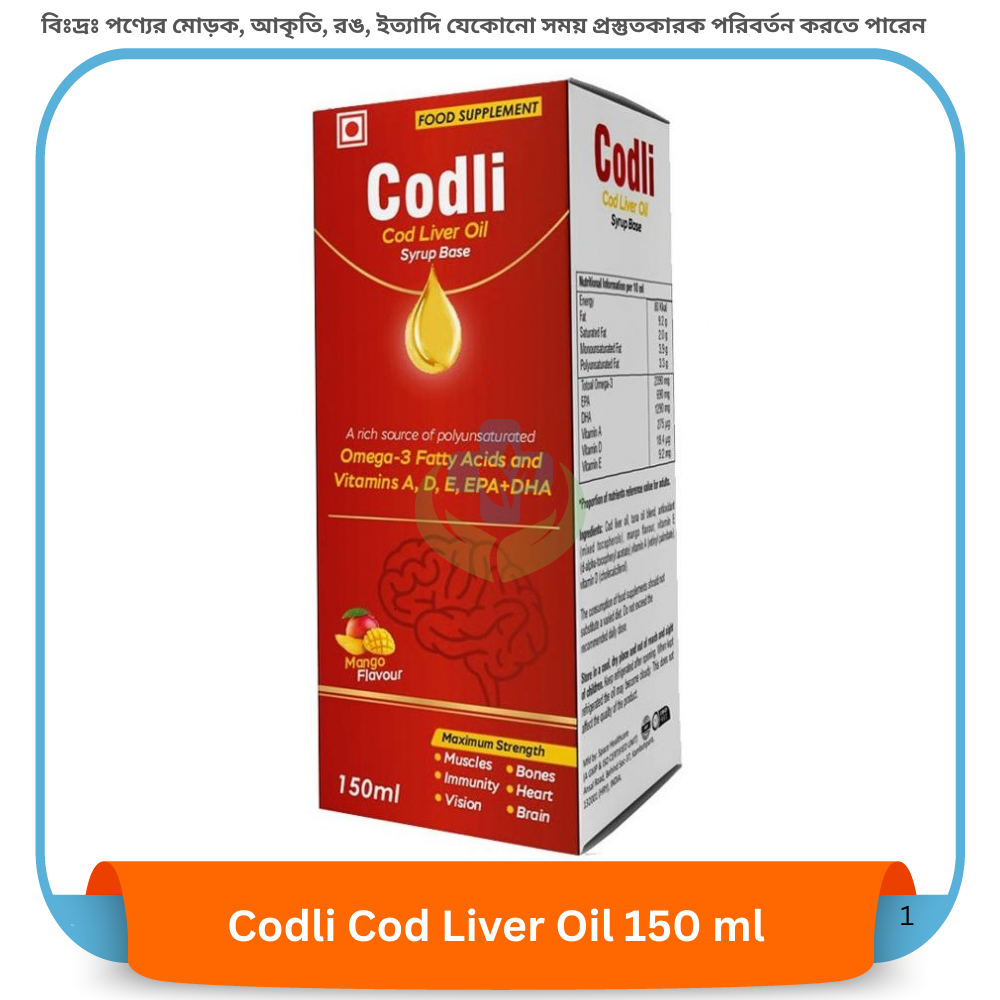
Codli Cod Liver Oil 150 ml
৳1,567.50 -
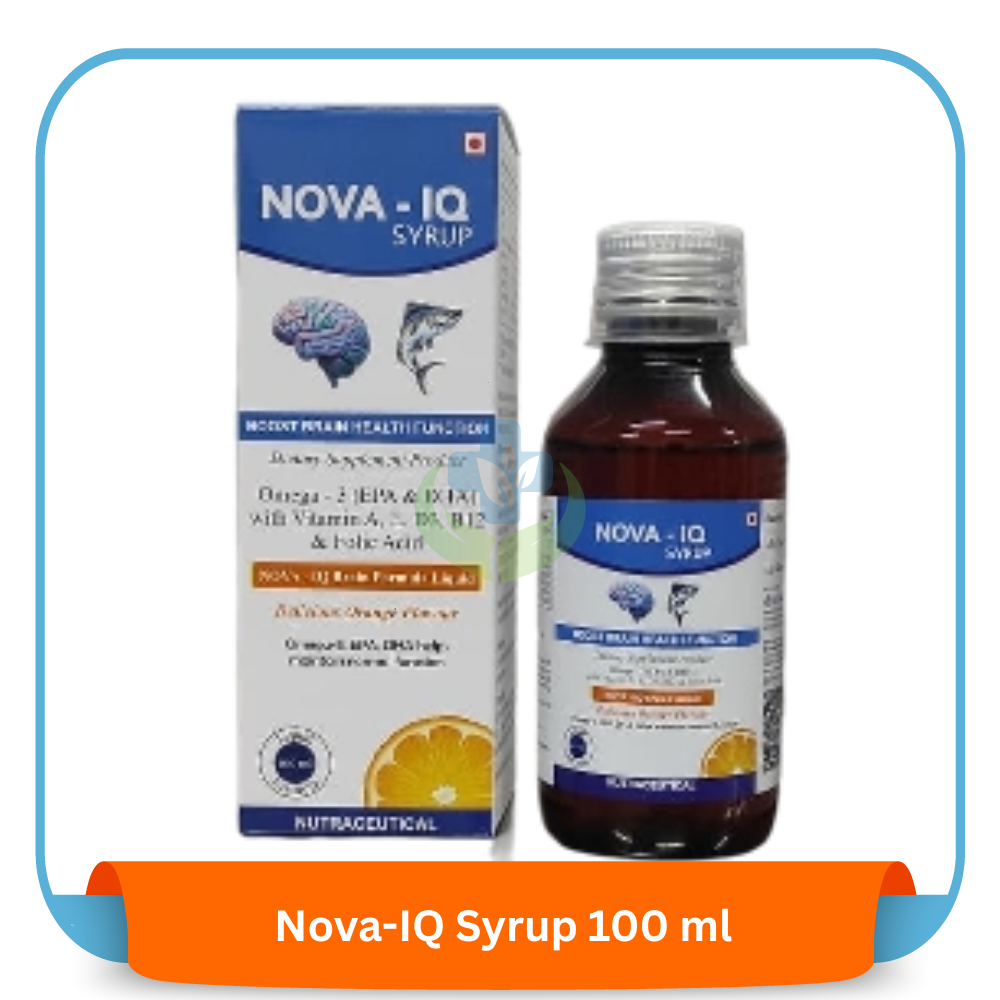
Nova-IQ Syrup 100 ml
৳714.40 -
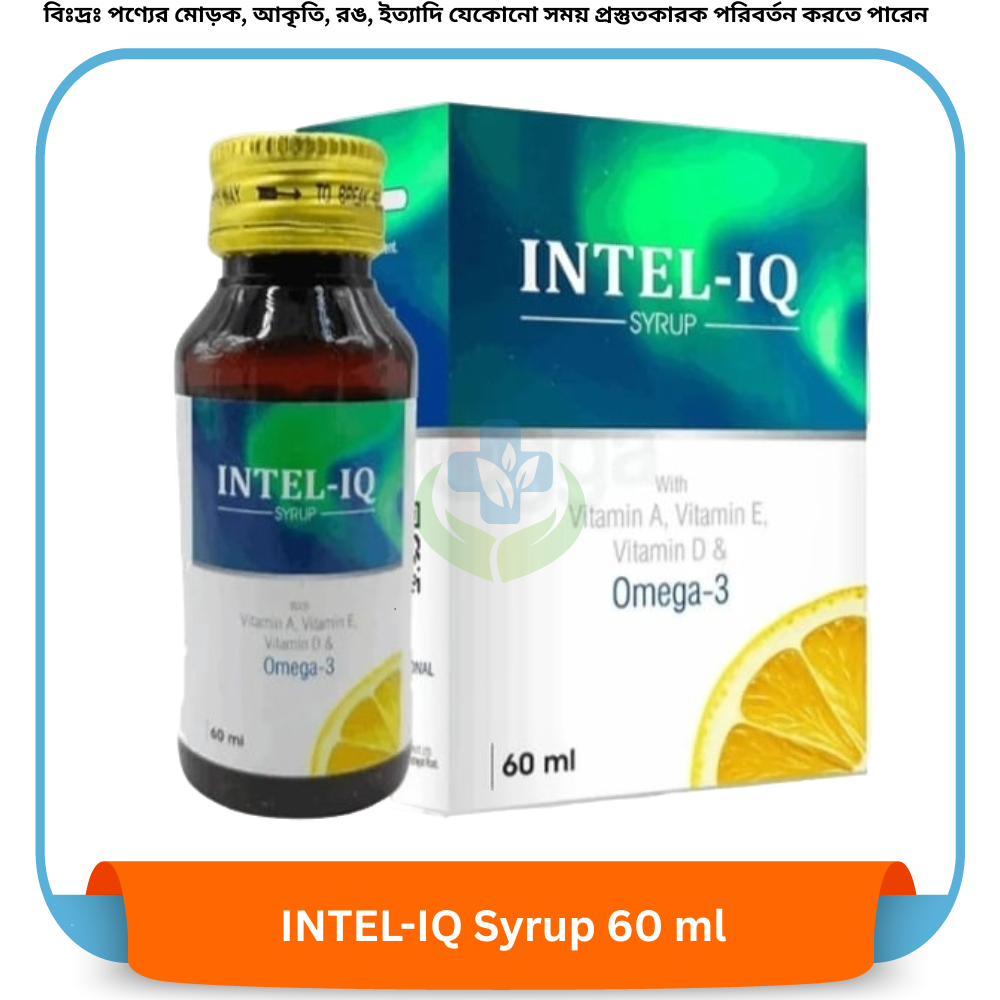
INTEL-IQ Syrup 60 ml
৳700.00
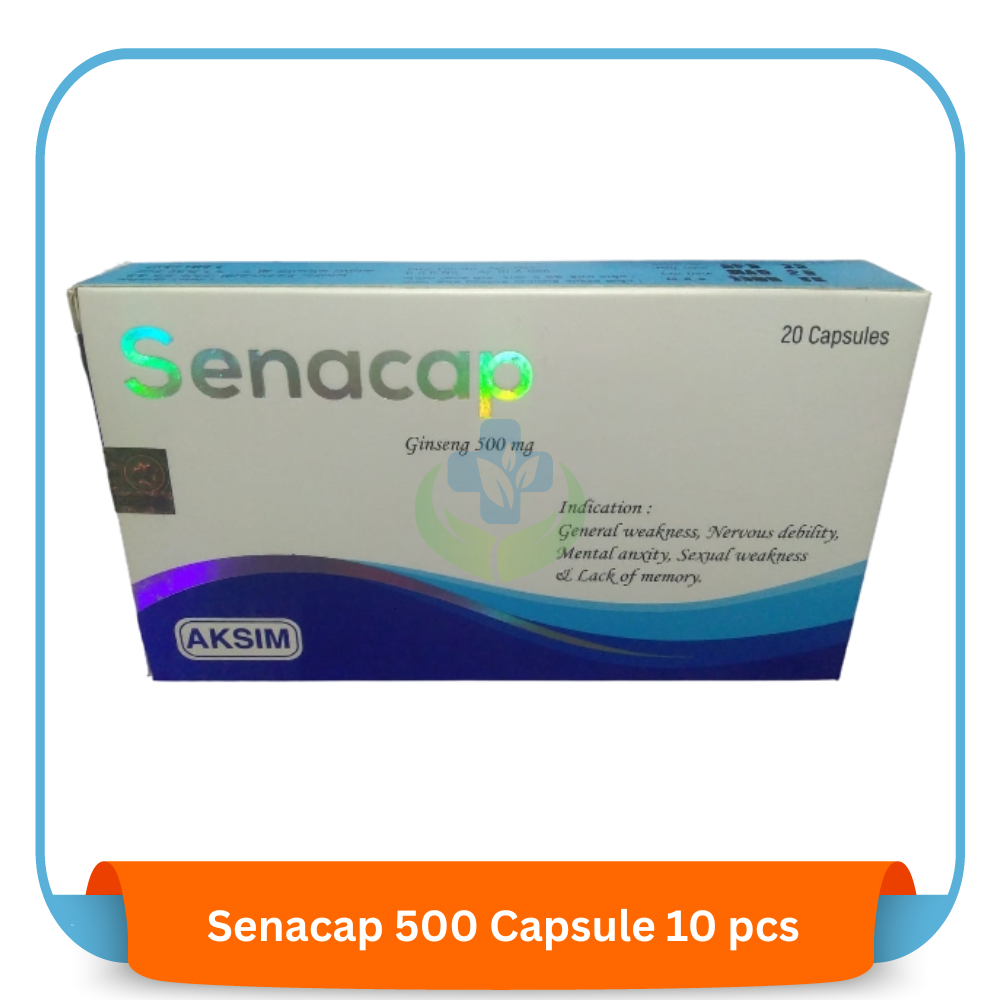
Bioderm
cream is a topical medication used to treat various
skin infections and associated inflammation, such as eczema, dermatitis, and
ringworm, by combining anti-inflammatory, antibacterial, and antifungal agents.
The exact formulation (ingredients) can vary by product and region, so always
check the specific product label or consult a doctor.
Below
is a general description of a common Bioderm formulation containing Beclomethasone, Clotrimazole, and Neomycin.
Benefits
of Bioderm cream:
Bioderm
provides a multi-pronged approach to treating skin conditions by:
Ø Reducing
inflammation: Beclomethasone, a steroid, helps alleviate
symptoms like redness, swelling, and itching.
Ø Fighting
bacterial infections: Neomycin is an antibiotic that stops the
growth of bacteria.
Ø Combating
fungal infections: Clotrimazole is an antifungal agent that
inhibits the growth of fungi.
This
combination helps clear the infection, soothe the affected area, and prevent
the symptoms from returning when the full course is completed.
Ingredients
of Bioderm cream:
The
most common formulation of Bioderm Ointment/Cream contains a combination of
three active ingredients:
Ø Beclomethasone
dipropionate (a corticosteroid)
Ø Clotrimazole (an antifungal agent)
Ø Neomycin (an antibiotic)
Usage
Instruction of Bioderm cream:
Ø
Bioderm
cream is for external use on the skin only. Before applying the cream, the
affected area should be cleaned and dried. A thin layer of the cream or
ointment should be applied to cover the entire affected area. It is important
to wash hands before and after application, unless the treatment is for the
hands.
Ø
Completing
the full course of treatment as directed by a healthcare professional is
important, even if symptoms improve, to ensure the infection is fully resolved
and prevent it from returning.
Side
Effects of Bioderm cream:
Many side effects are temporary and typically do not require medical attention. Some common reactions at the application site may include burning, irritation, itching, redness, or dryness.
Related products
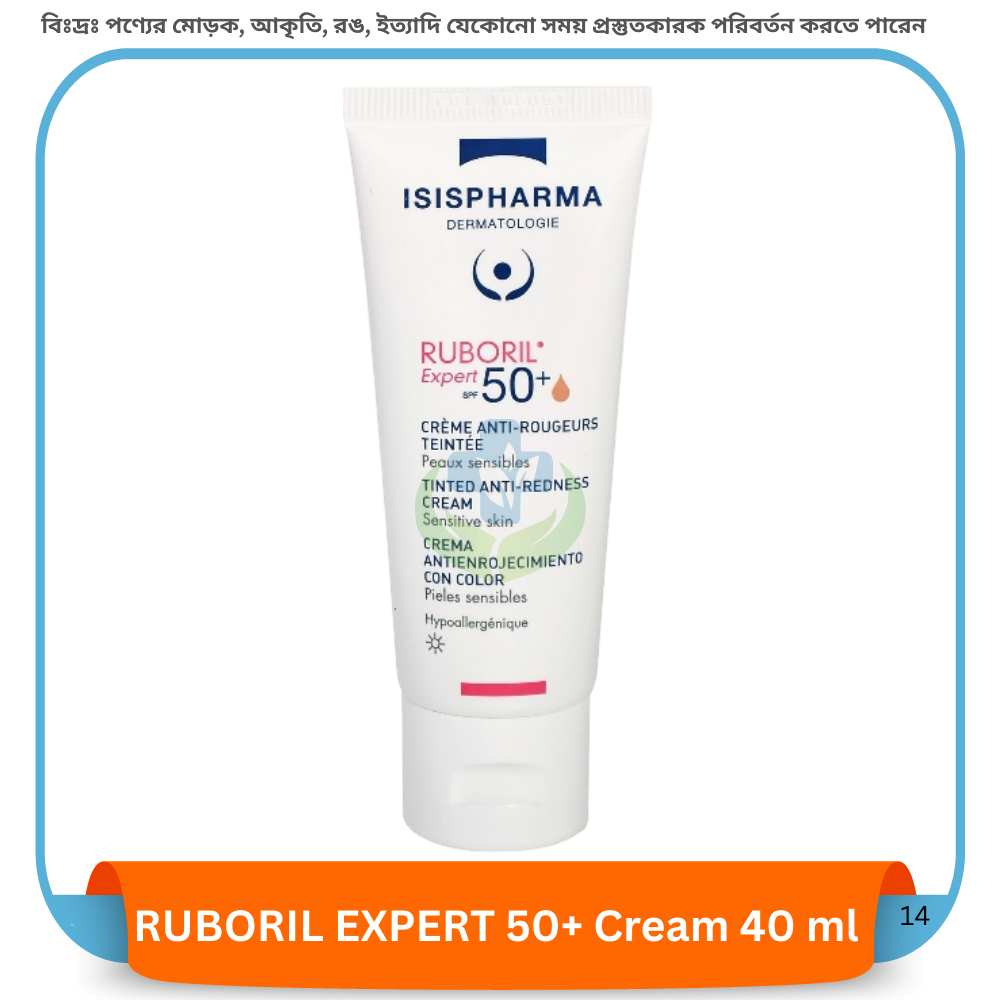
RUBORIL EXPERT 50+ Cream 40 ml
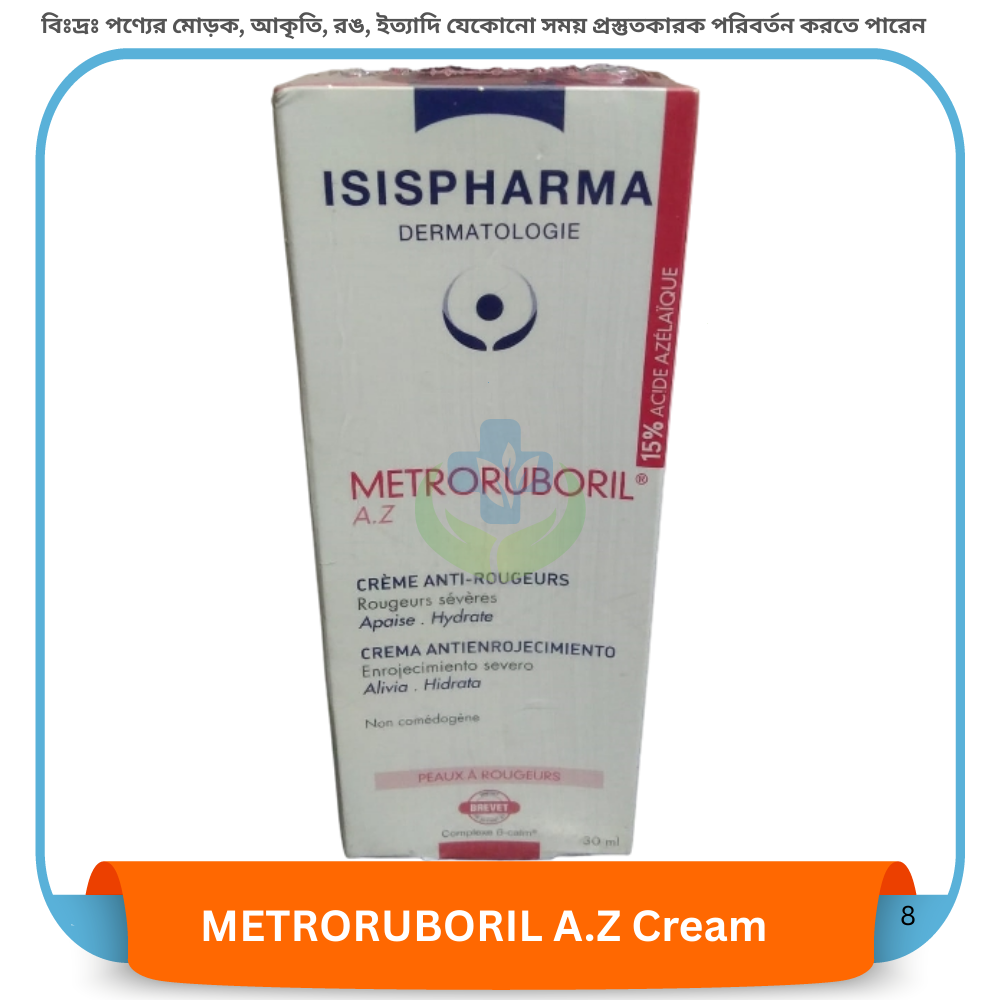
METRORUBORIL A.Z Cream 30 ml
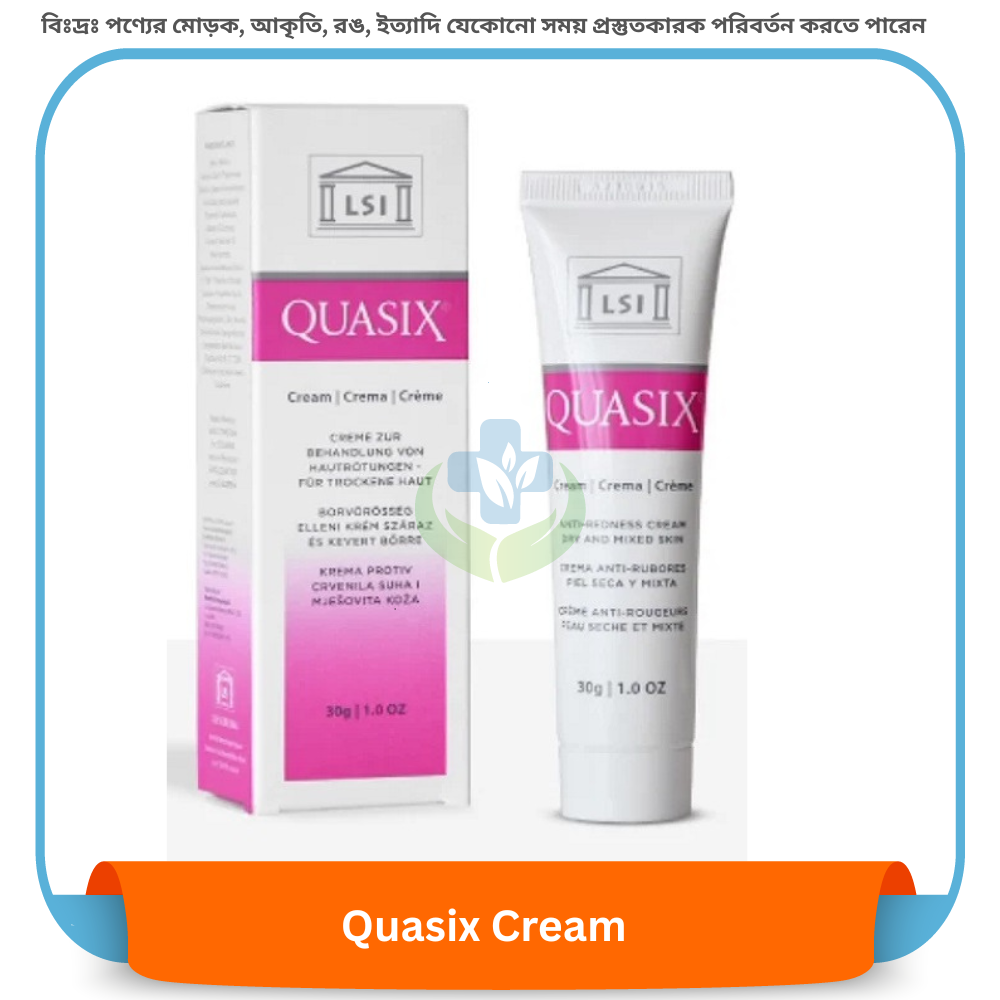
QUASIX Cream 30 gm


Contact Info
- Address: DOHS, Mirpur, Dhaka
- Phone: 01336 242 804
- Email: order@careonbd.com