








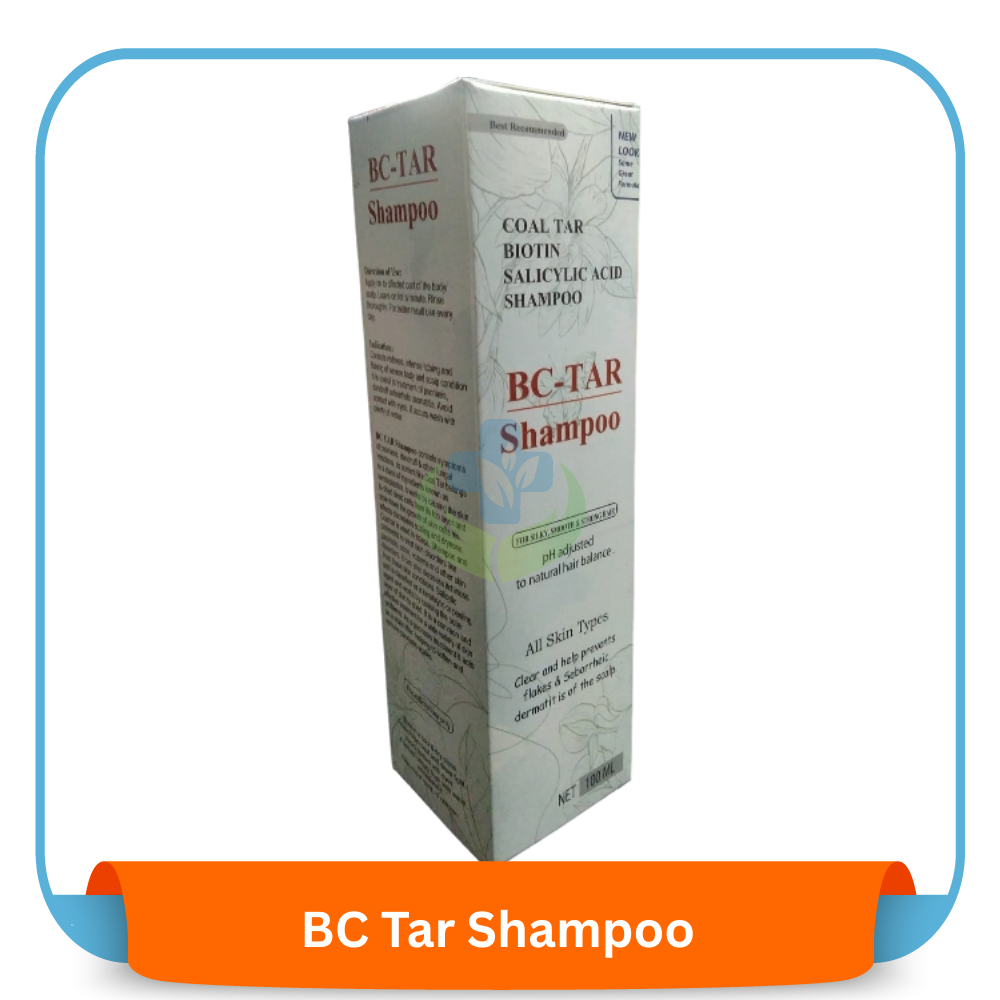
BC Tar Shampoo 100 ml
+88 01568-208768
-

Senacap 500 Capsule 10 pcs
৳617.50 -
Xiovit D3 Pediatric Drops 30 ml
৳502.90 -
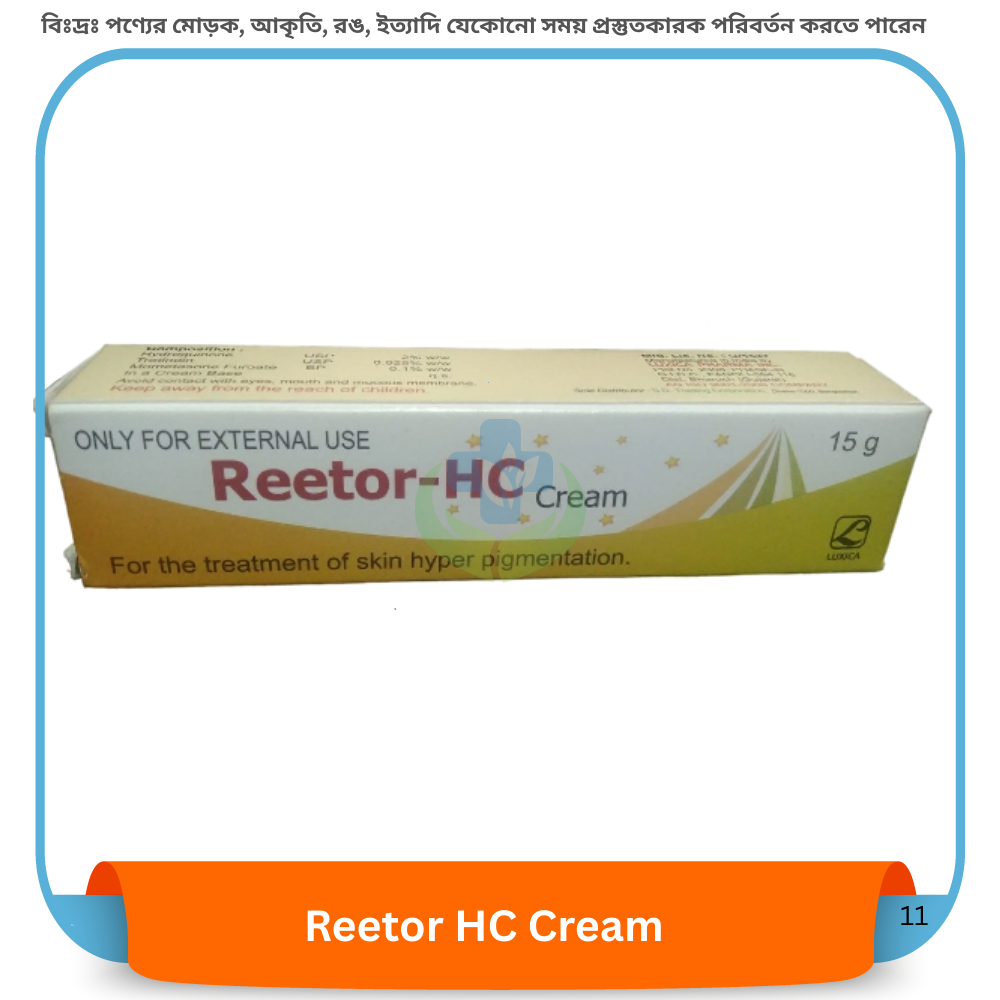
Reetor HC Cream 15 gm
৳841.30 -
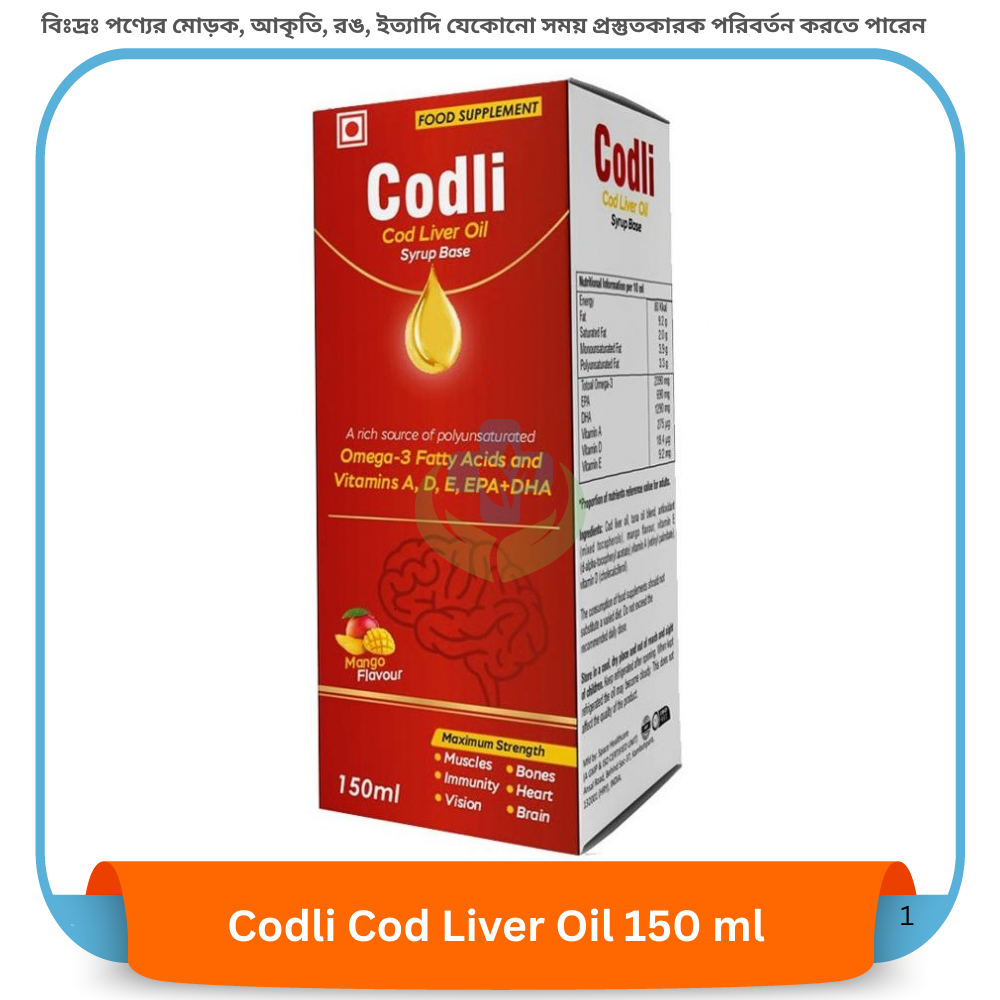
Codli Cod Liver Oil 150 ml
৳1,567.50 -
Nova-IQ Syrup 100 ml
৳714.40 -
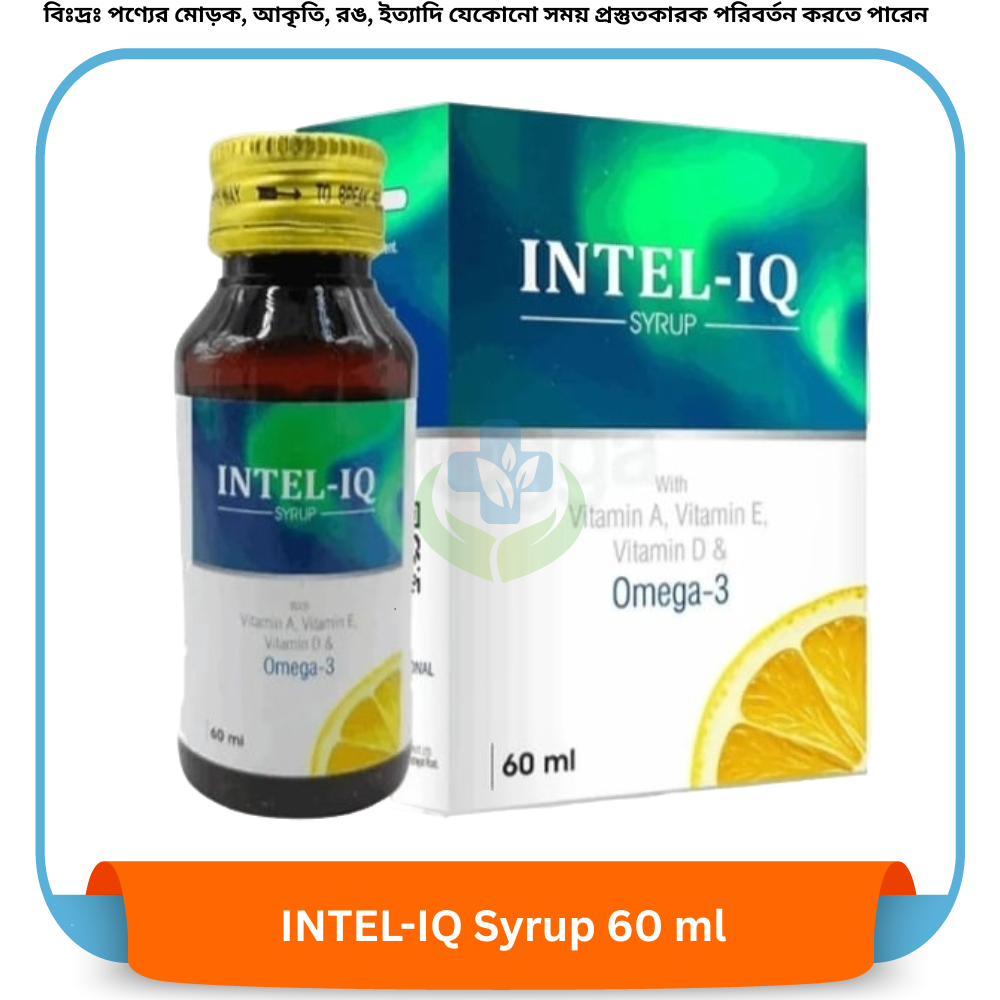
INTEL-IQ Syrup 60 ml
৳700.00

BC Tar Shampoo is
a medicated, over-the-counter (OTC) or prescription-strength shampoo containing
coal tar, a byproduct of coal processing. Used in dermatology for over a
century, its primary function is to provide relief from scaly and itchy scalp
conditions, rather than being a cosmetic product.
Benefits of BC Tar Shampoo:
Ø Controls dandruff and
reduces dry scales.
Ø Relieves scalp itching and
inflammation.
Ø Slows the rate of skin cell growth, which is beneficial for
conditions like psoriasis where cells multiply too quickly.
Ø Removes dead skin cells and
prevents scalp buildup.
Ingredients of BC Tar Shampoo:
While
other inactive ingredients vary by specific BC Tar formula, the primary active
ingredient is:
Ø Coal Tar (e.g., 0.5% to 2% solution).
This is a keratoplastic agent that helps the skin shed dead cells and decreases
itchiness.
Ø Some formulations may also
include salicylic acid or ketoconazole to
enhance the removal of scales and fight fungus.
Usage Instructions of BC Tar Shampoo:
Ø
Wet hair thoroughly.
Ø
Apply the shampoo and work
into a lather, massaging gently into the scalp.
Ø
Leave the shampoo on the
scalp for a specific amount of time, usually 3 to 5 minutes, as directed by the
product label or a doctor.
Ø
Rinse thoroughly with
water.
Ø
Depending
on the condition, you may be instructed to use it daily or just a few times a
week, alternating with your regular shampoo.
Ø
Avoid getting the
product in your eyes,
nose, or mouth; if accidental exposure occurs, rinse immediately with plenty of
water.
Side Effects of BC Tar Shampoo:
Potential
side effects are generally mild, but a healthcare professional should be
consulted if they persist or worsen.
Ø Scalp or skin irritation, such as burning, stinging,
itching, or redness at the application site.
Ø Increased sensitivity to sunlight (photosensitivity).
Users should wear protective clothing and use sunscreen when outdoors.
Ø Staining of
skin, clothing, or light-colored, bleached, or gray hair.
Ø An unpleasant odor may be
noticeable.
Ø Tar acne (folliculitis) from long-term
use.
Ø Serious allergic reactions are rare but require immediate medical help if symptoms appear
Related products
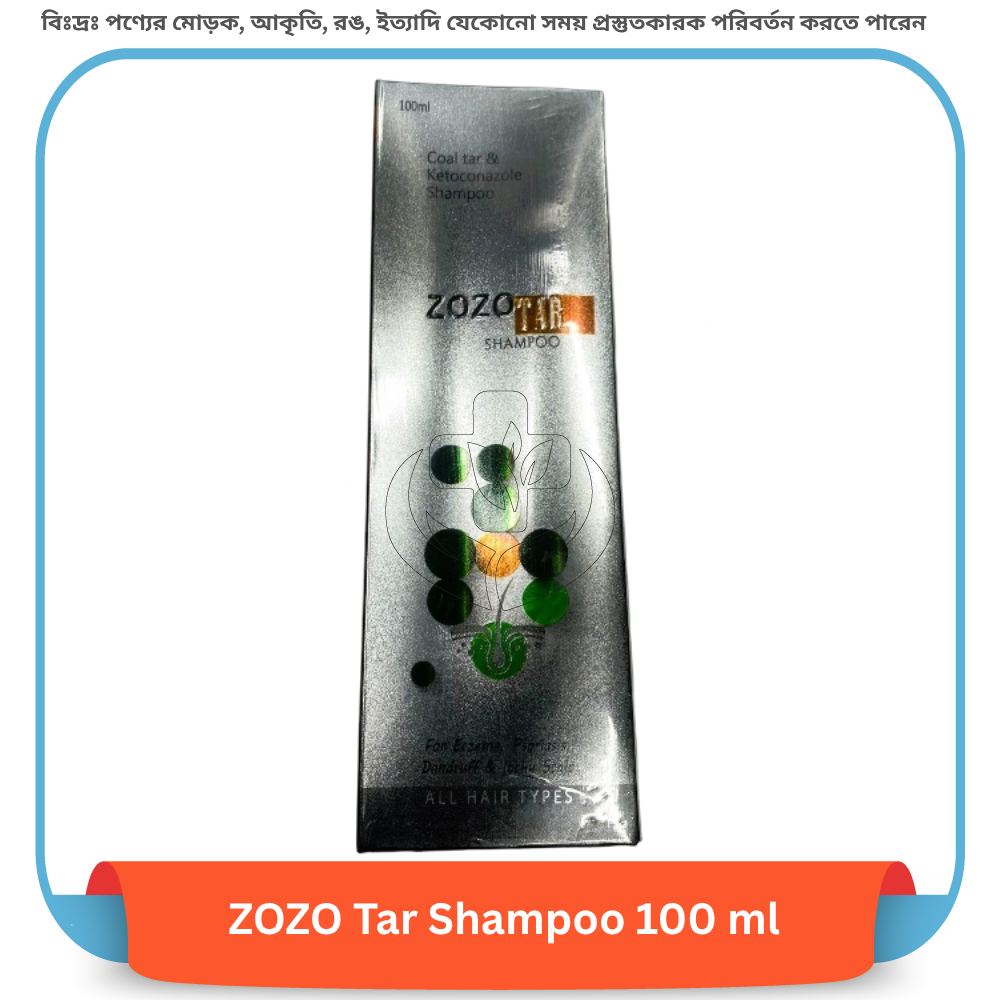
ZOZO Tar Shampoo 100 ml
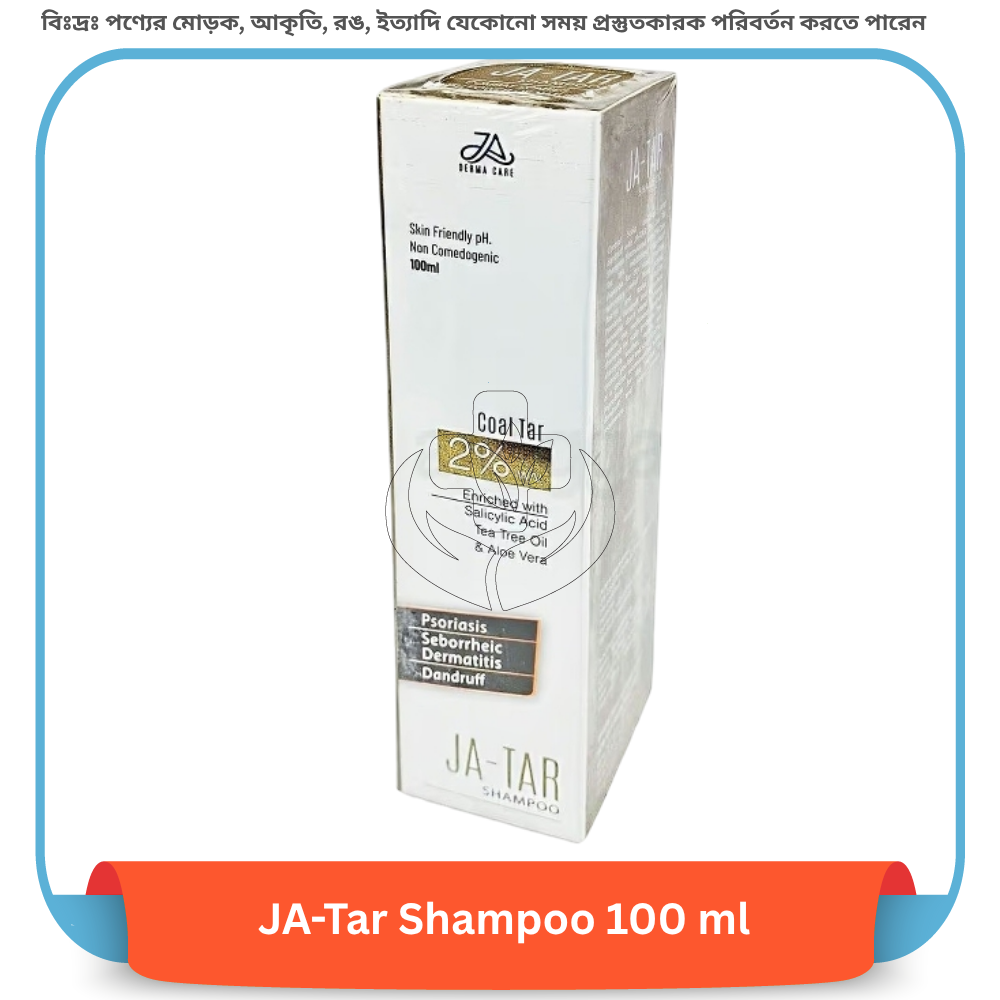
JA-Tar Shampoo 100 ml
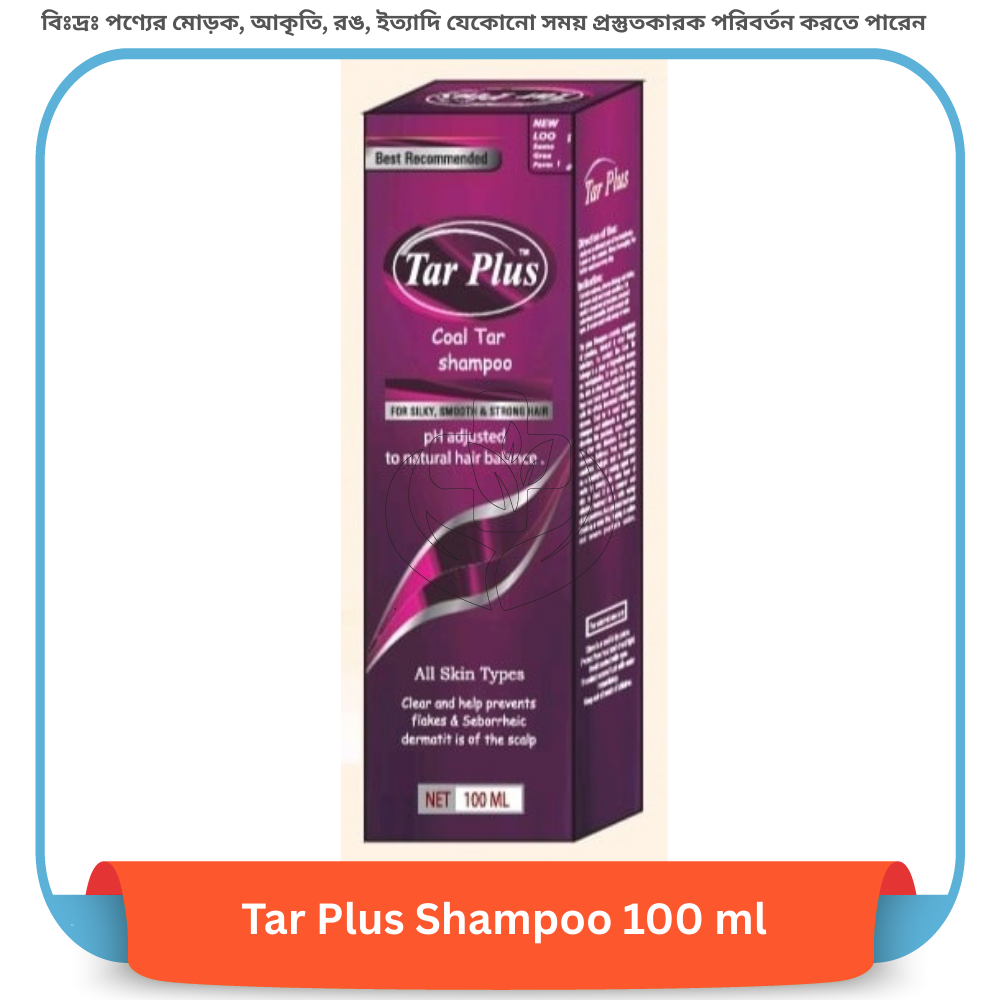
Tar Plus Shampoo 100 ml
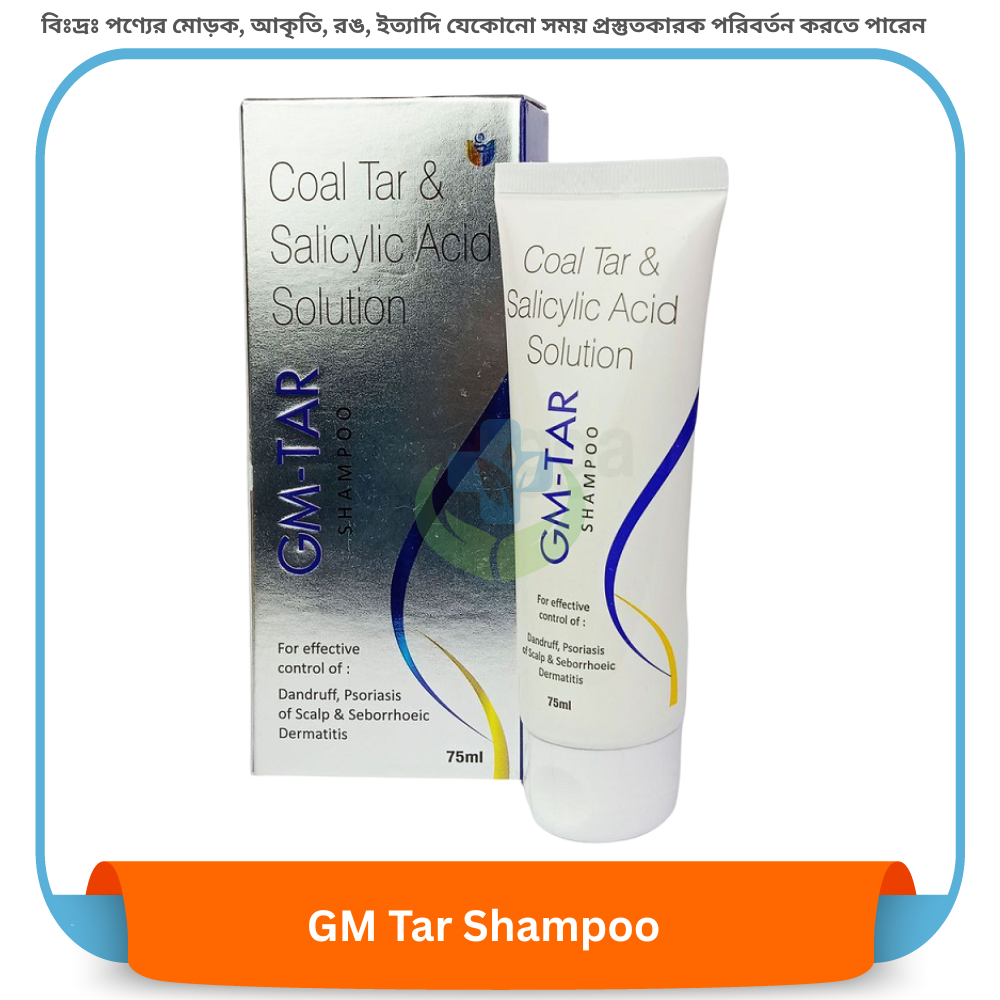
GM Tar Shampoo 75 ml
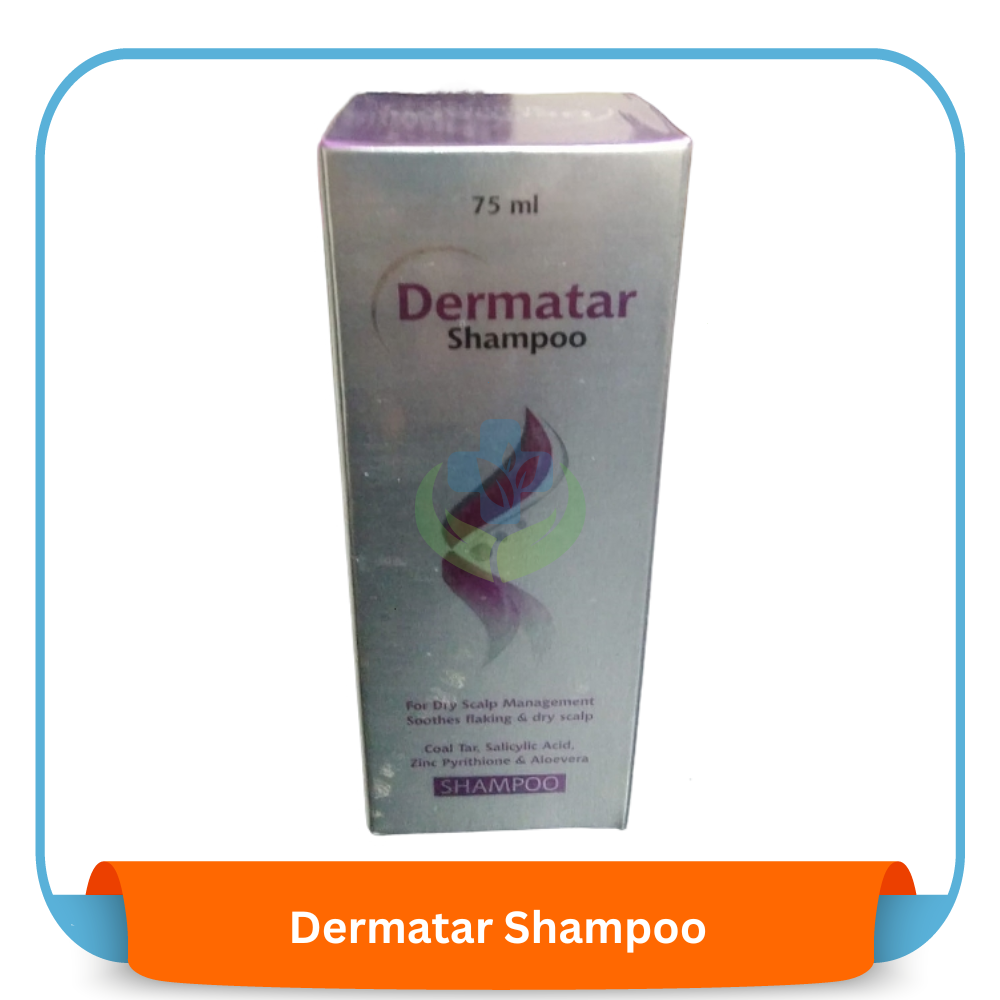
Dermatar Shampoo 75 ml


Contact Info
- Address: DOHS, Mirpur, Dhaka
- Phone: 01336 242 804
- Email: order@careonbd.com